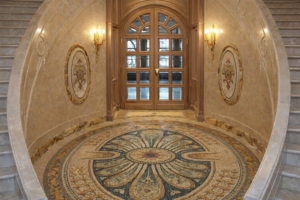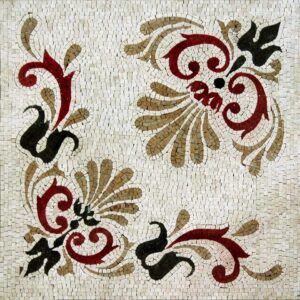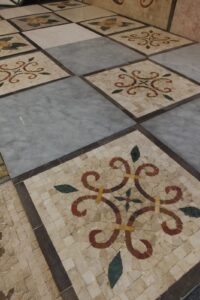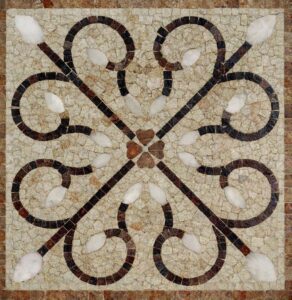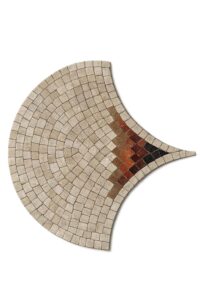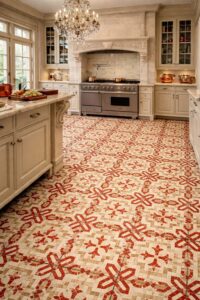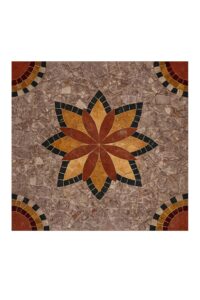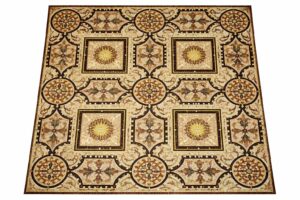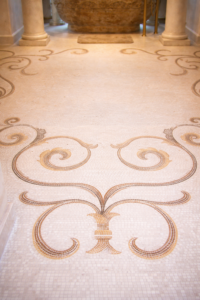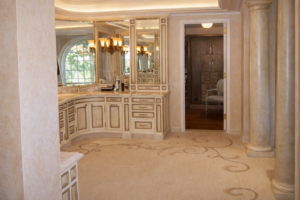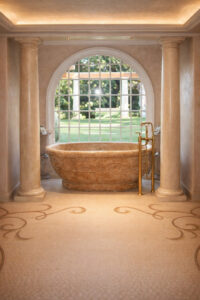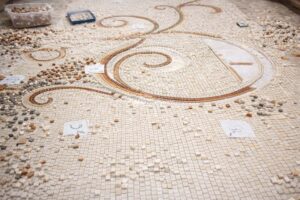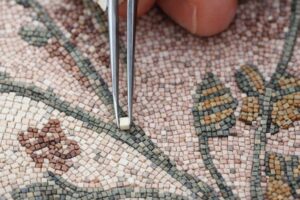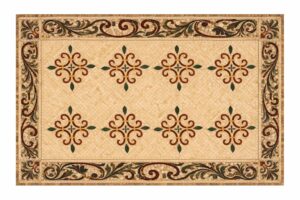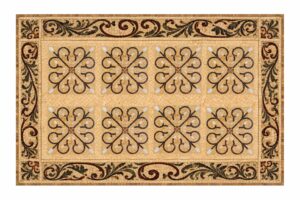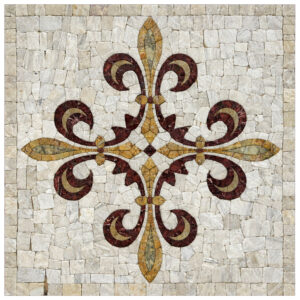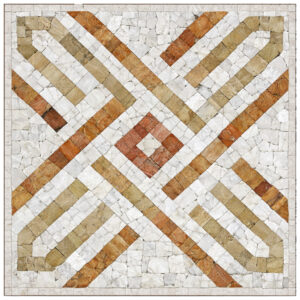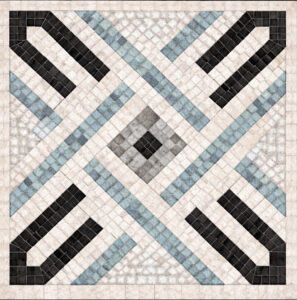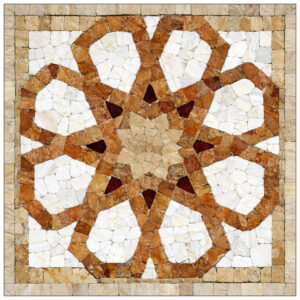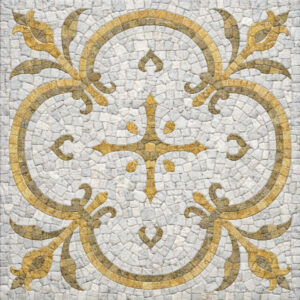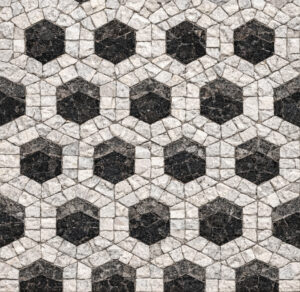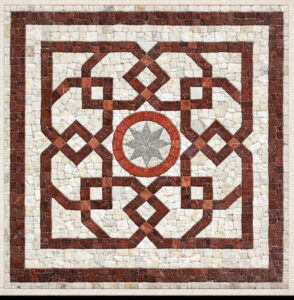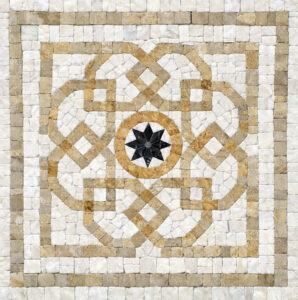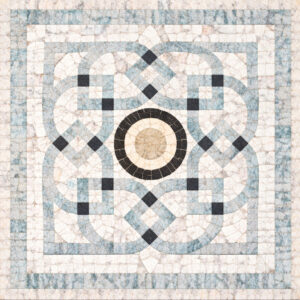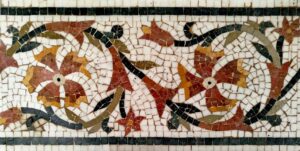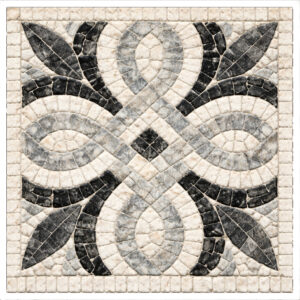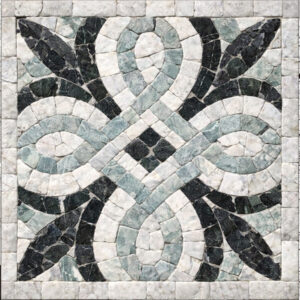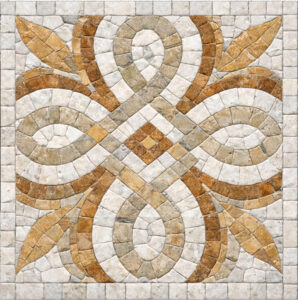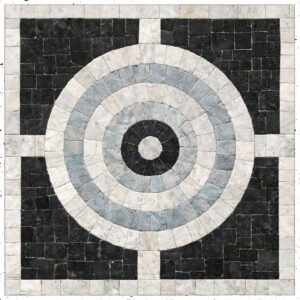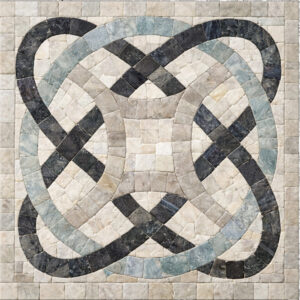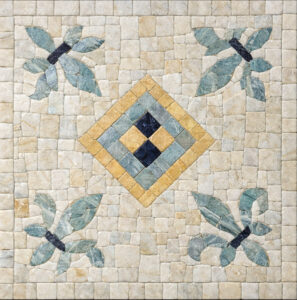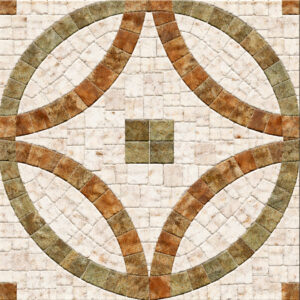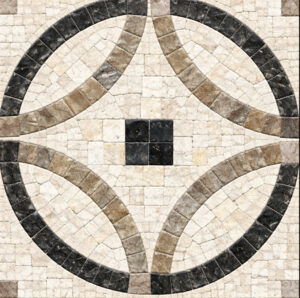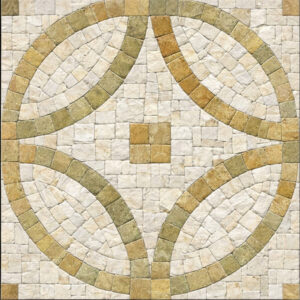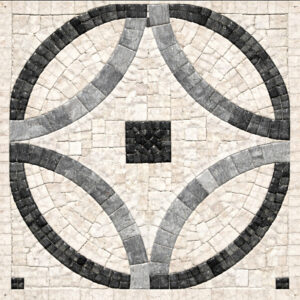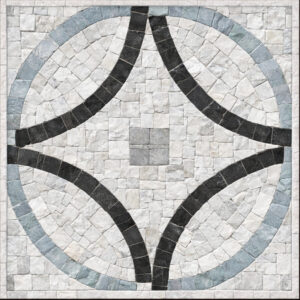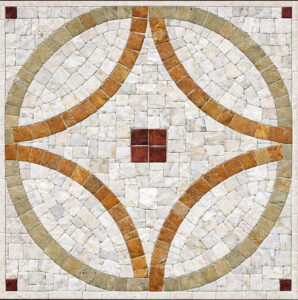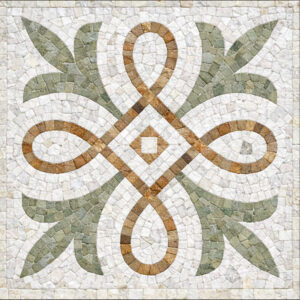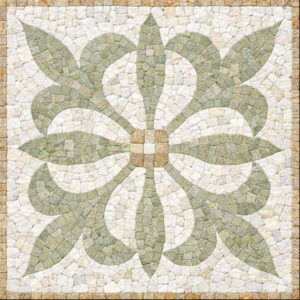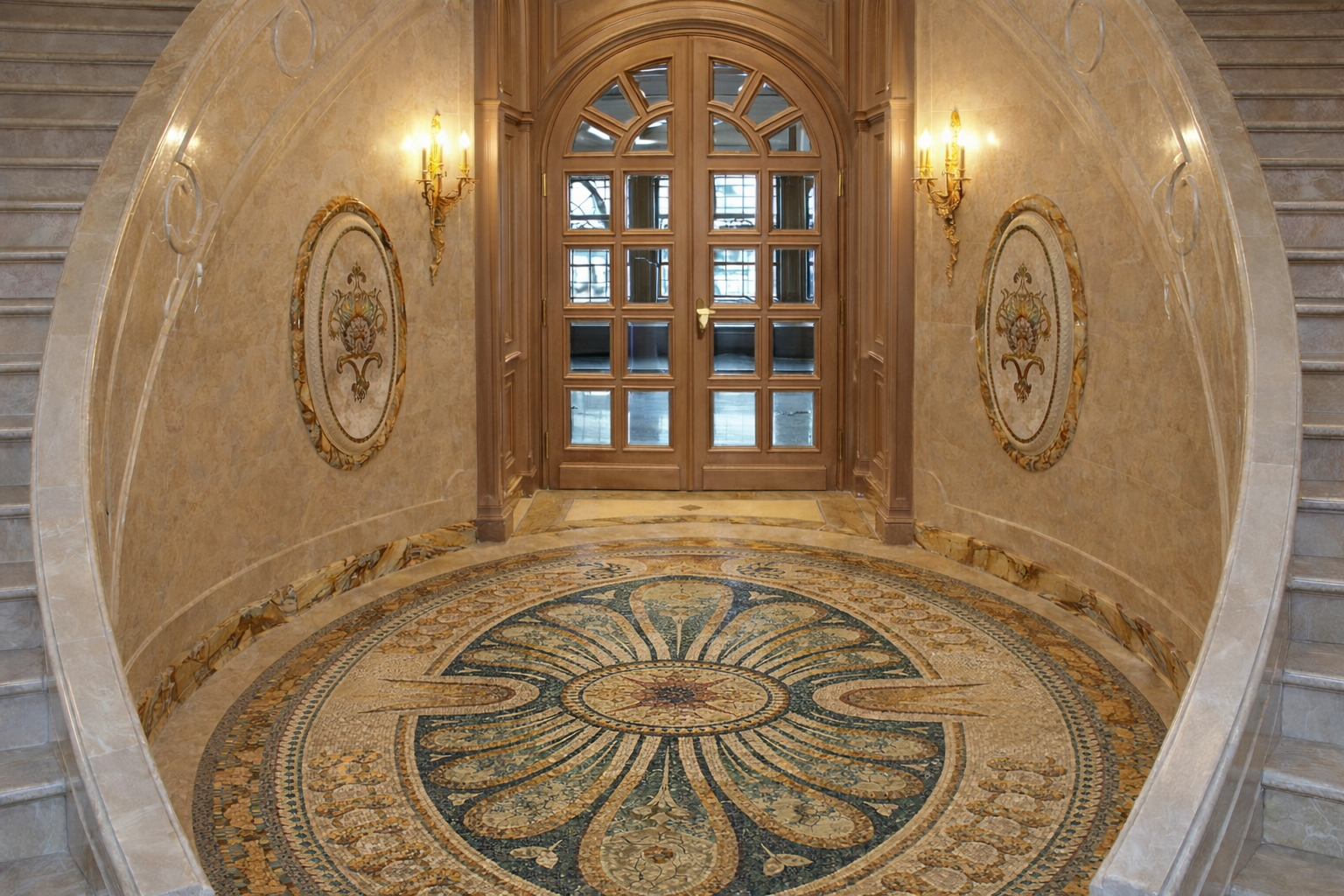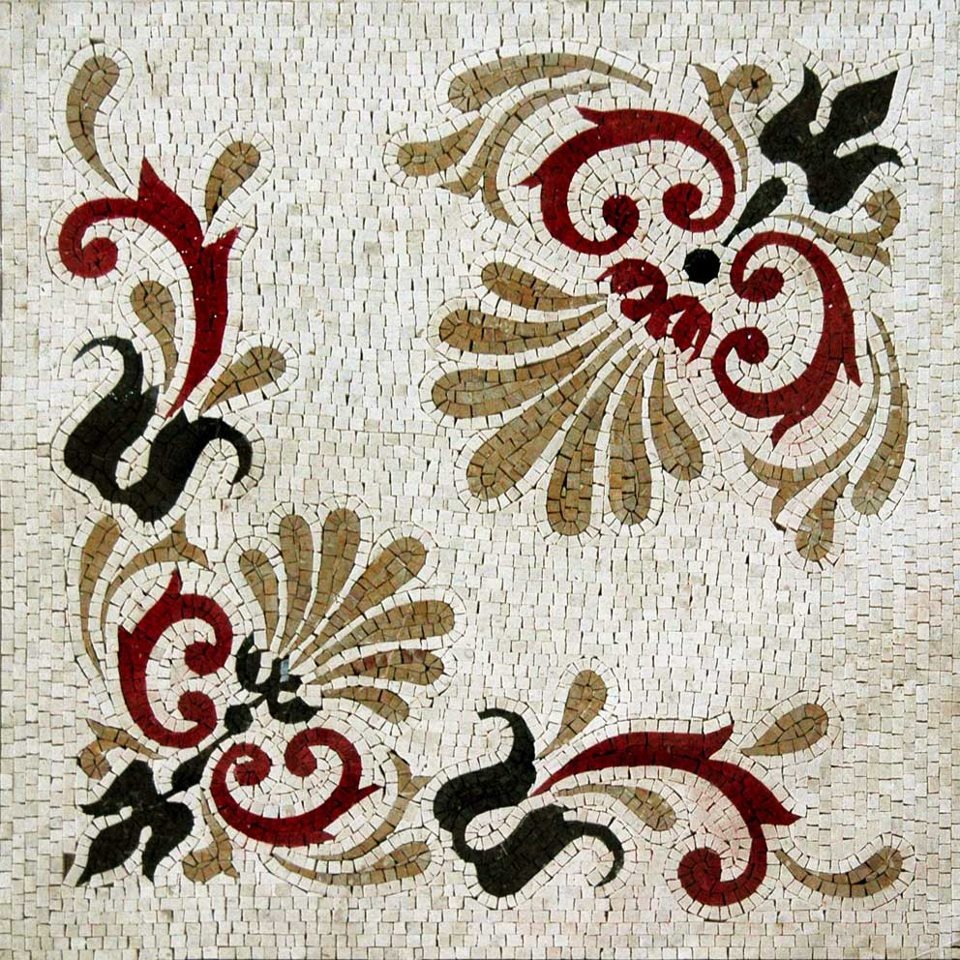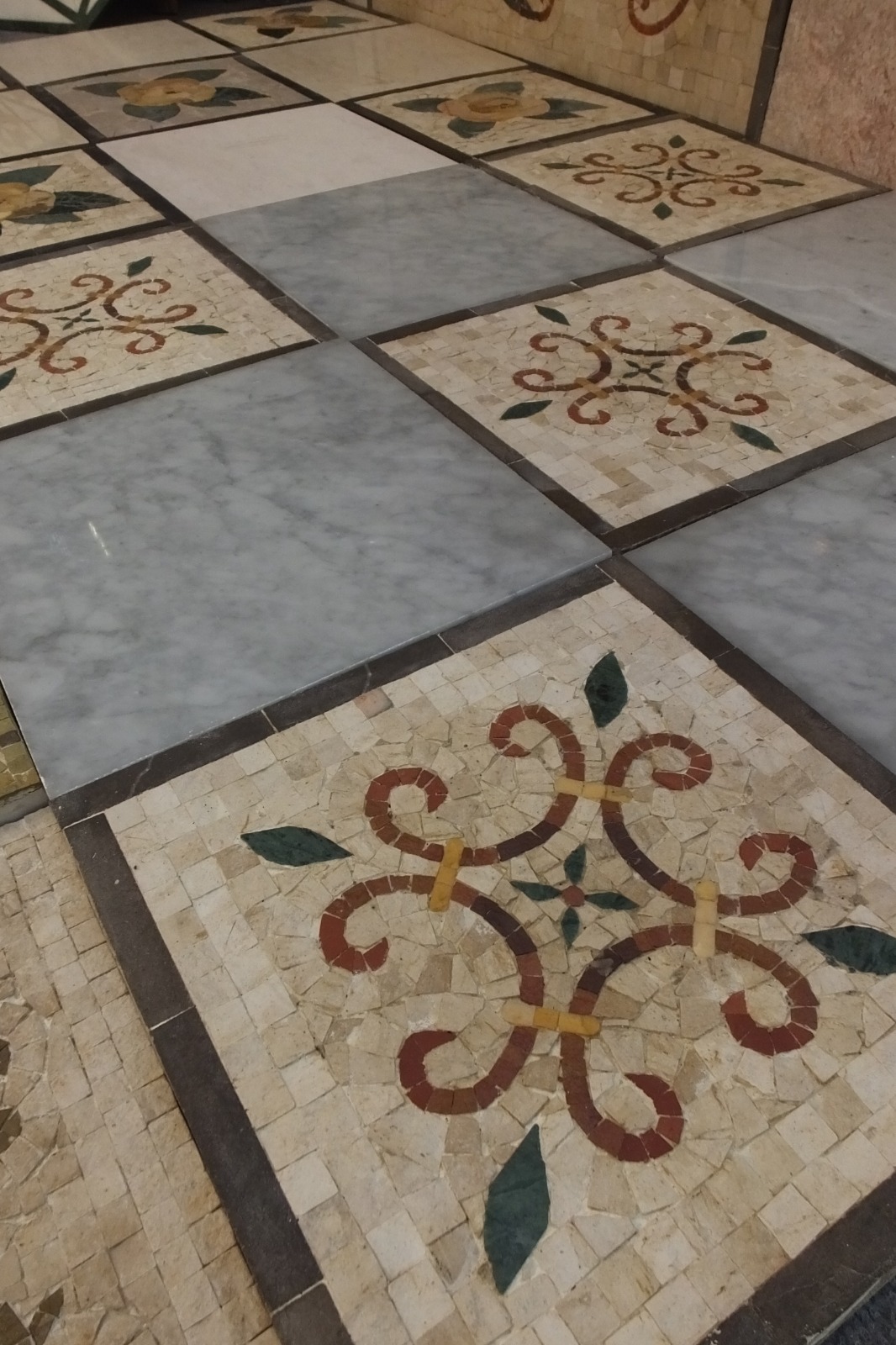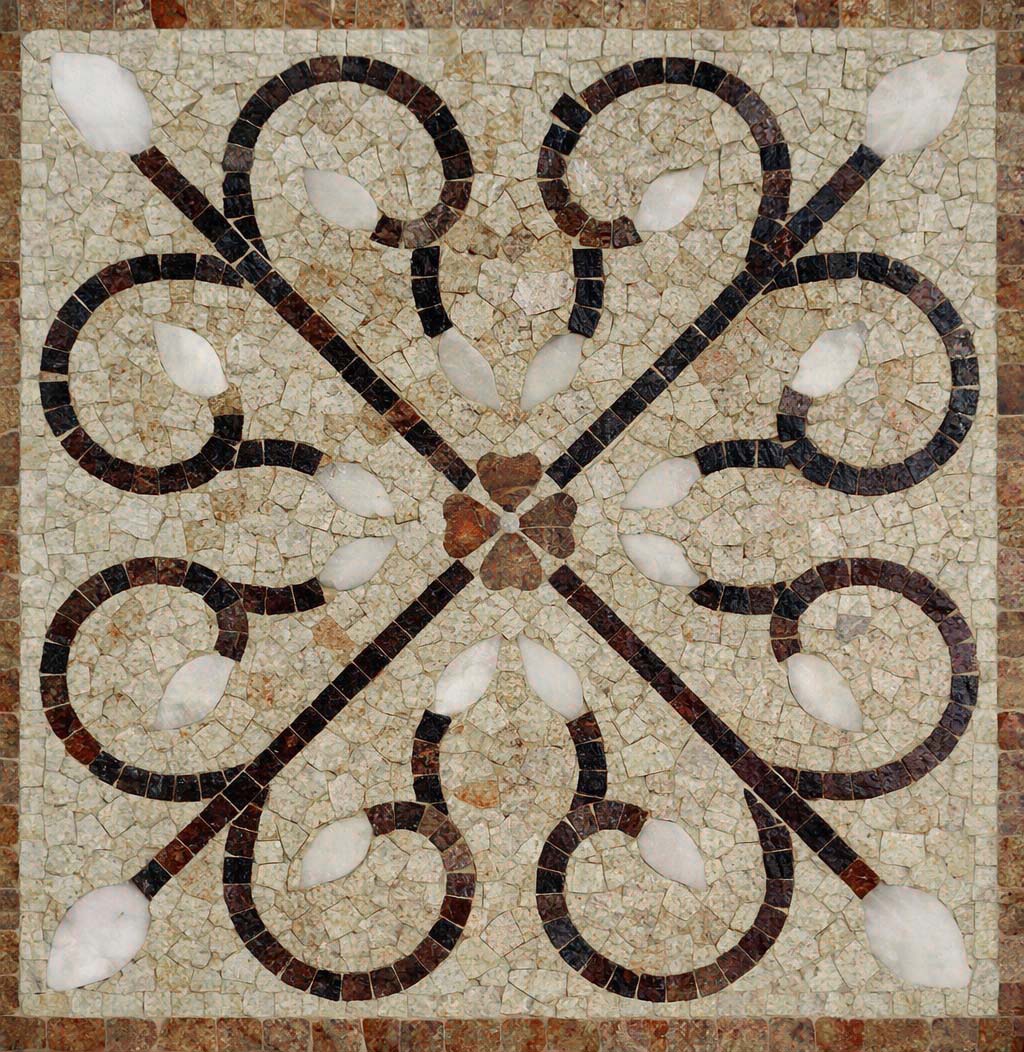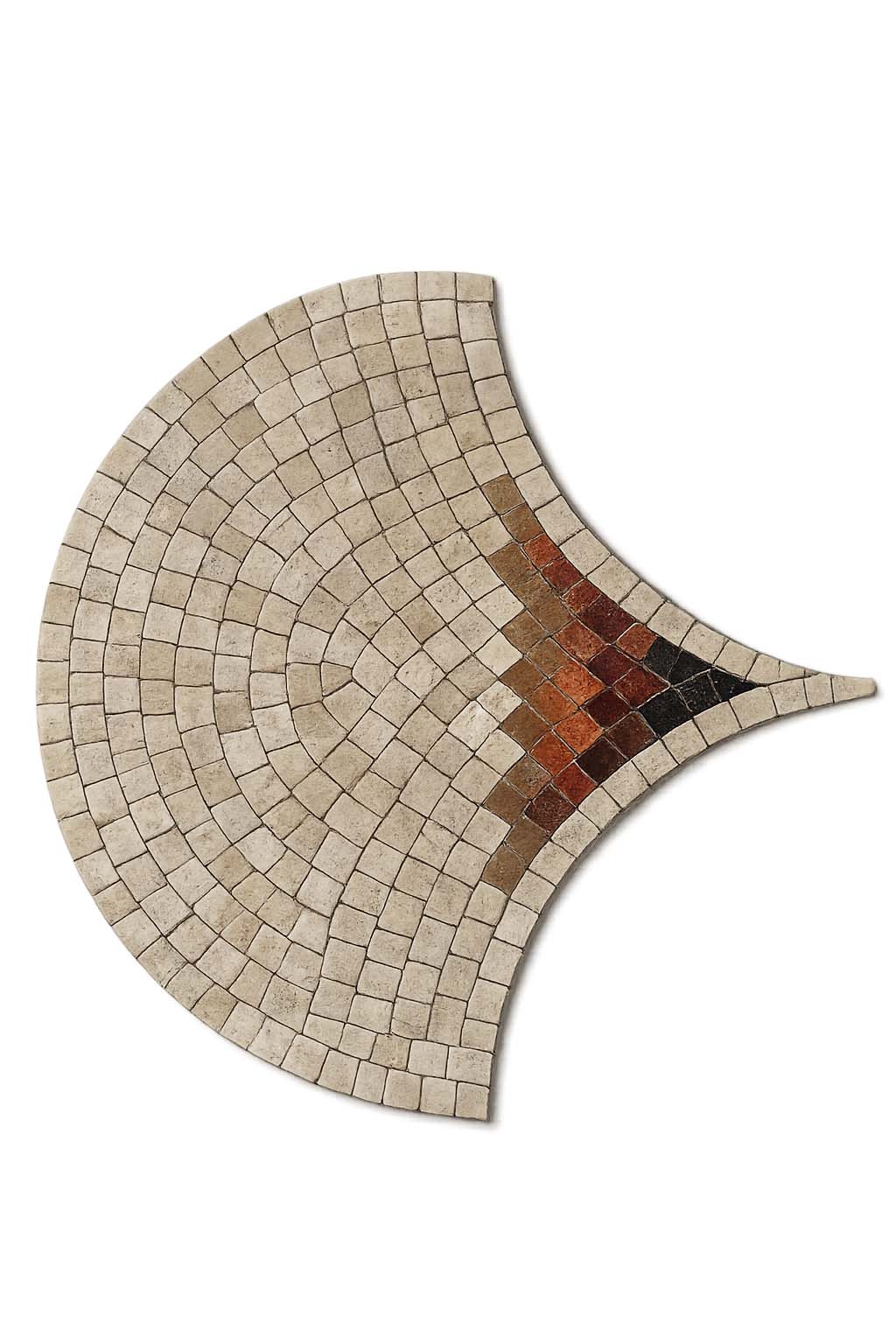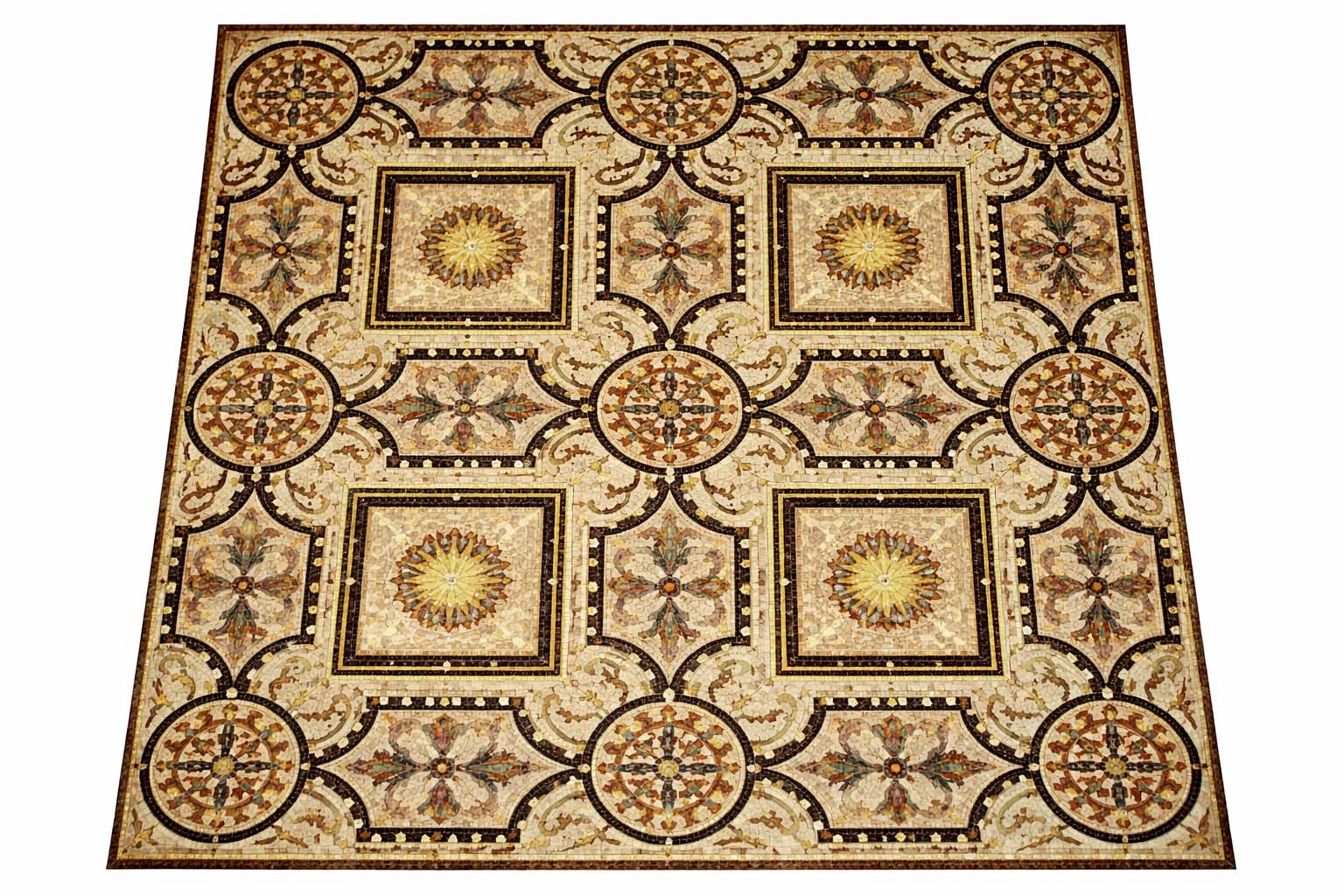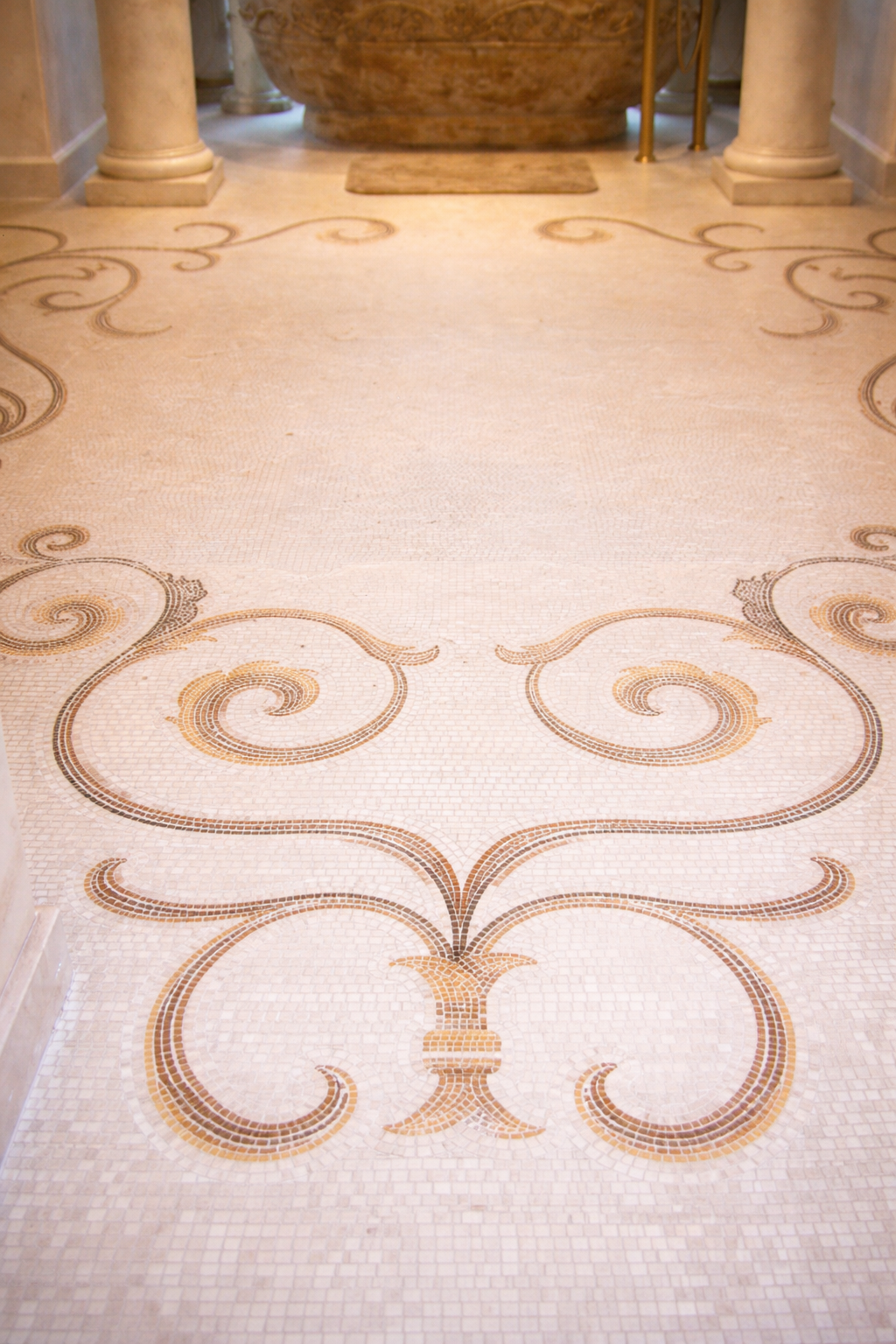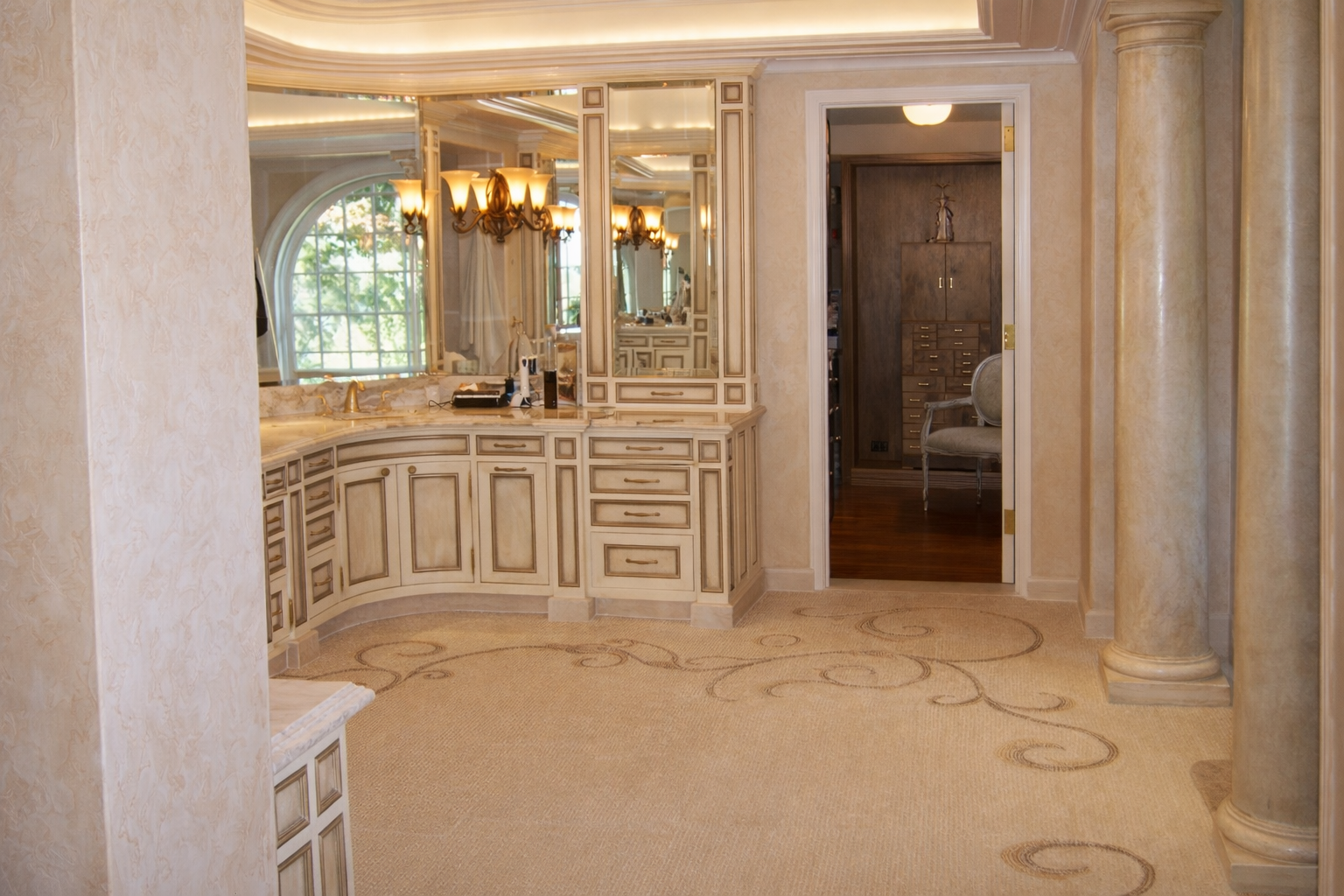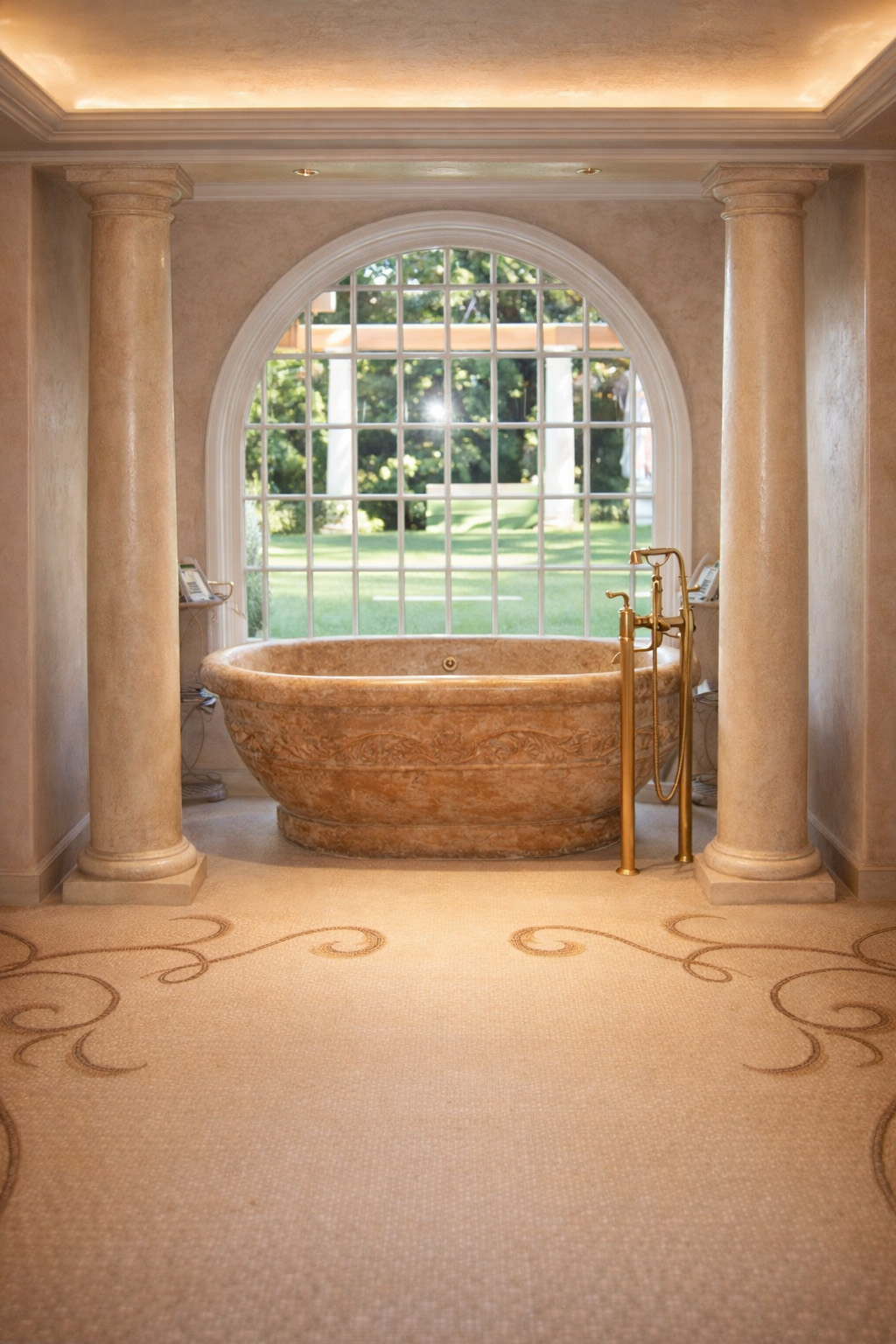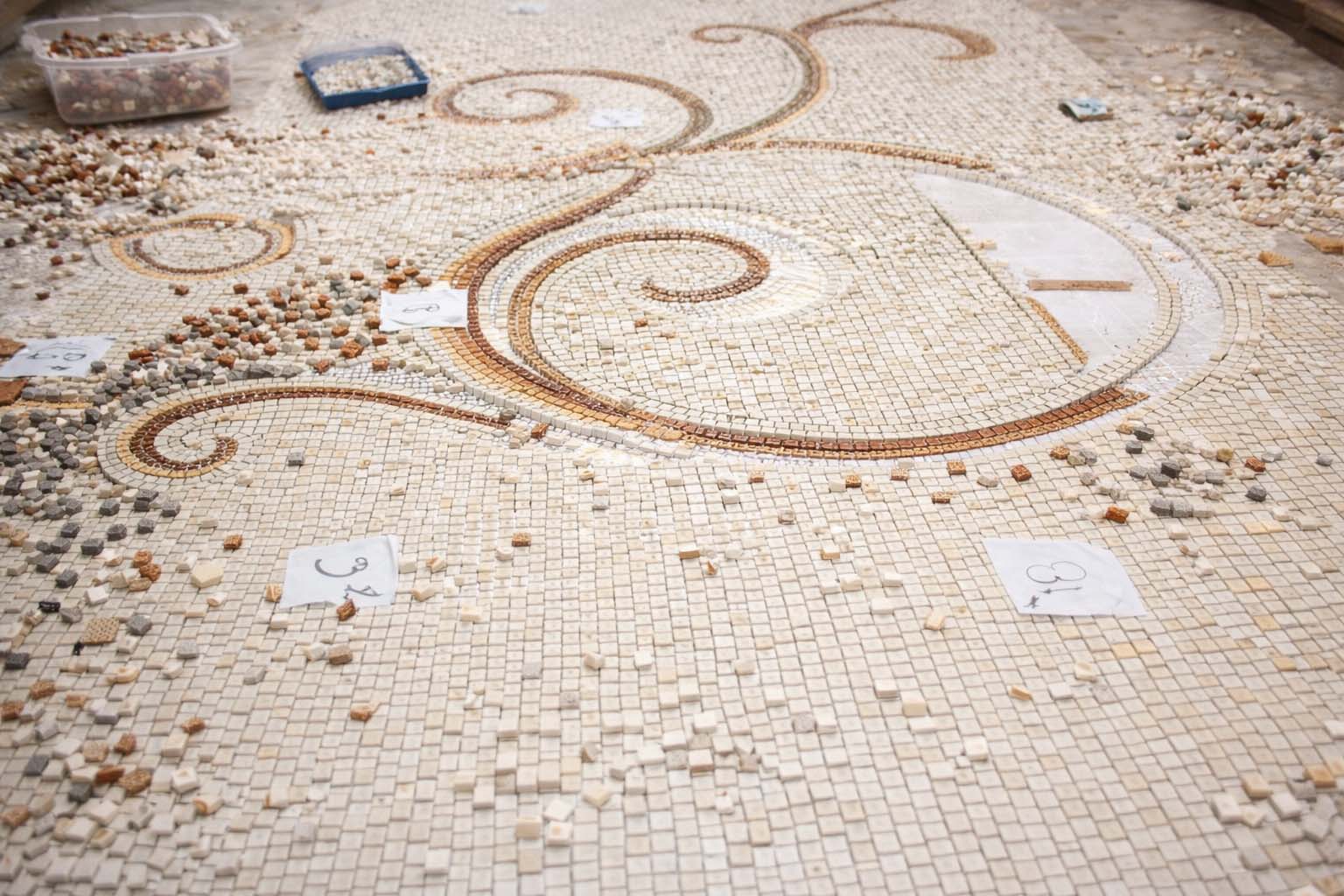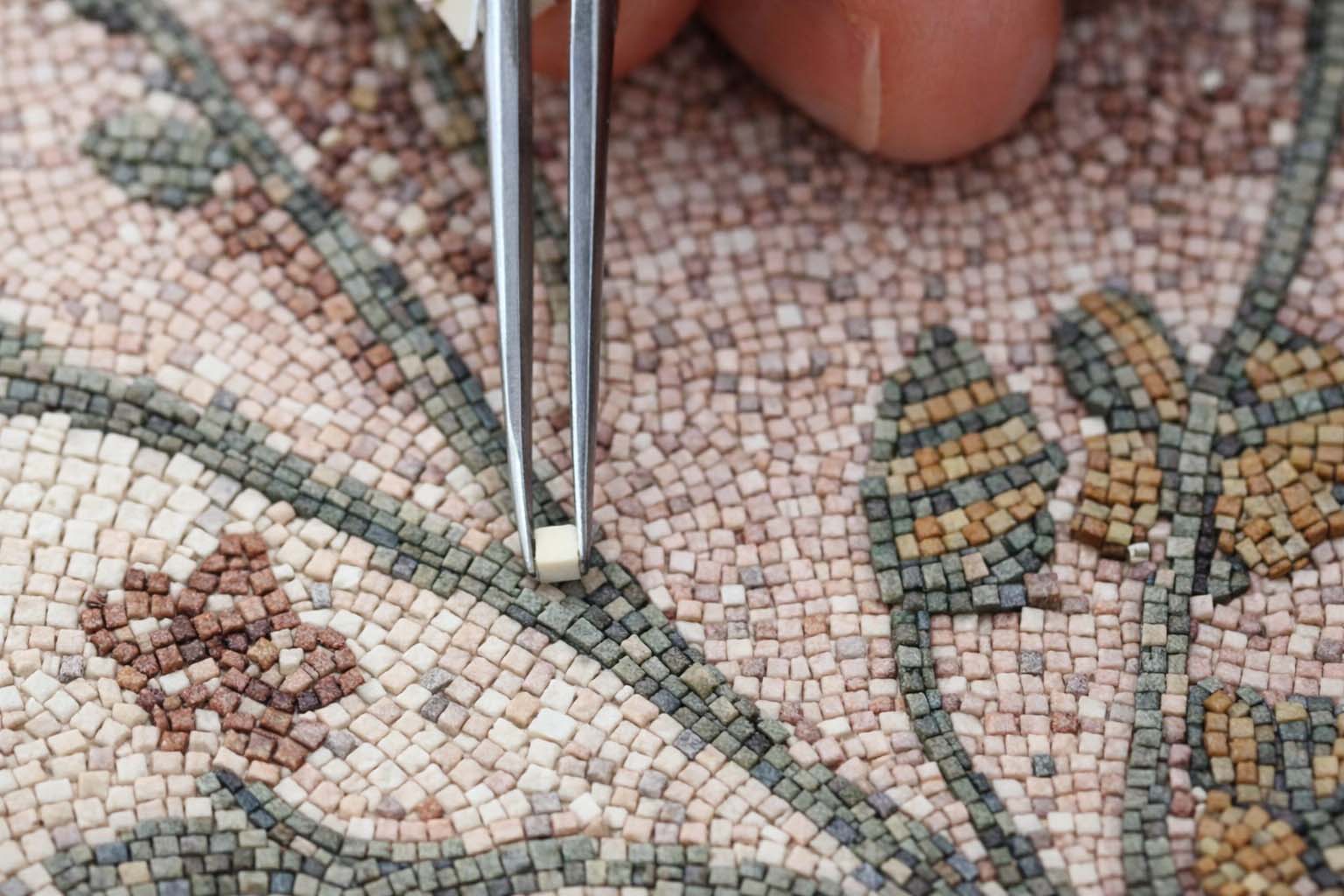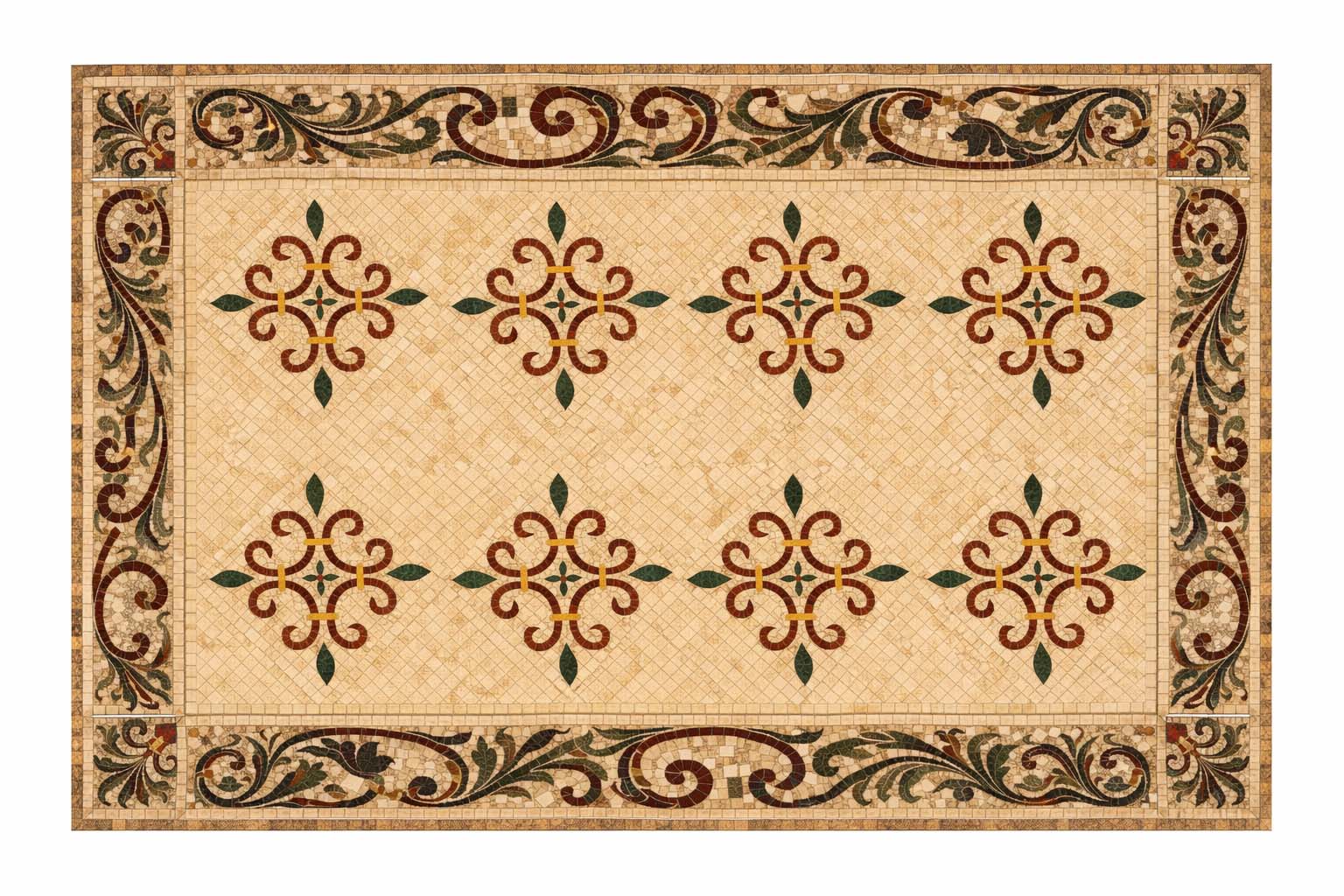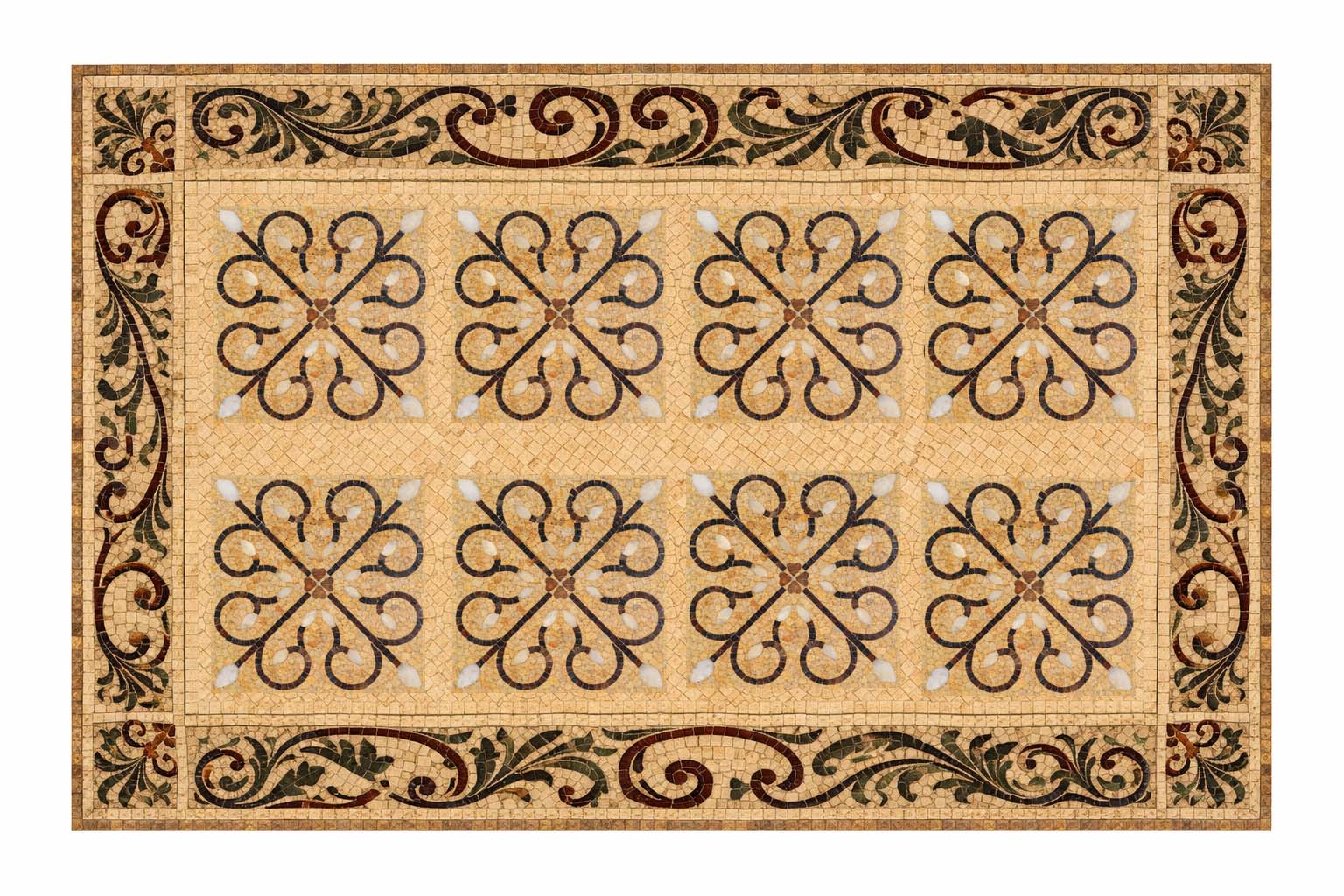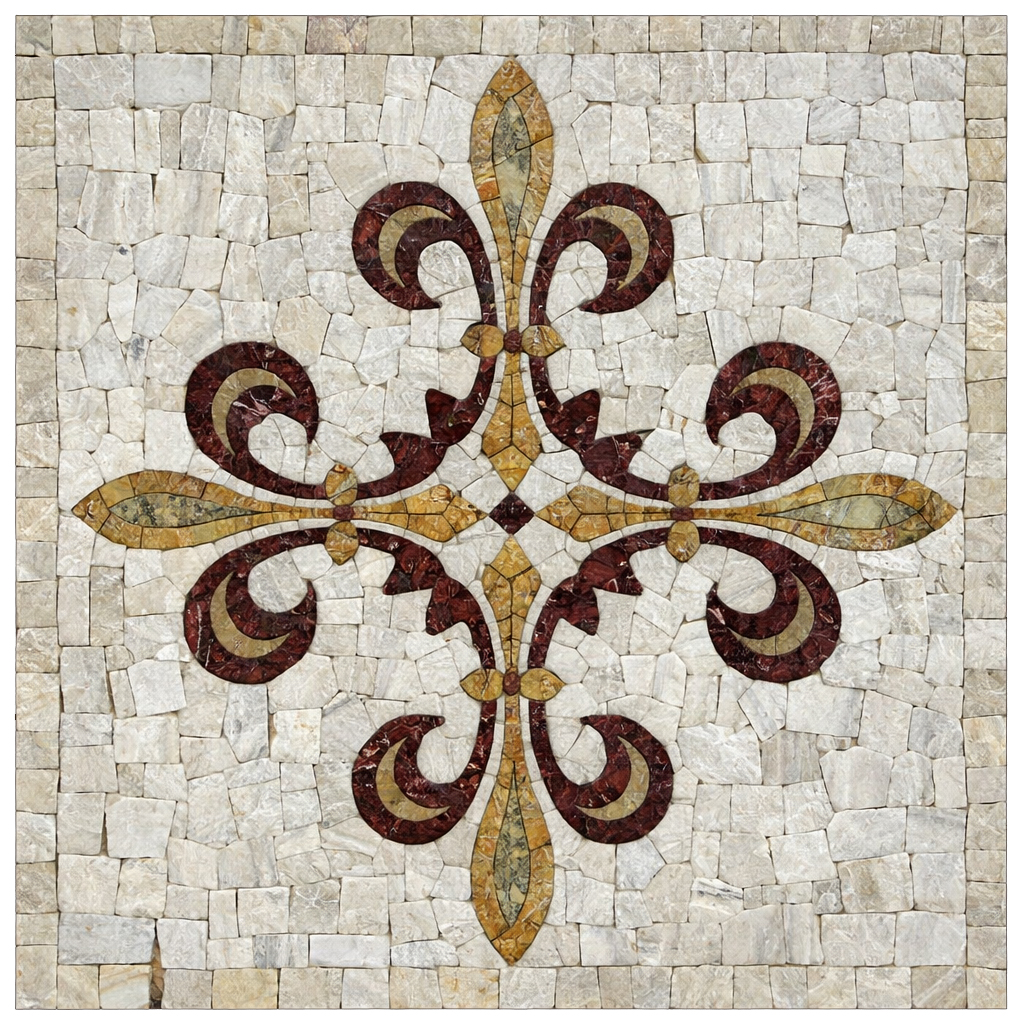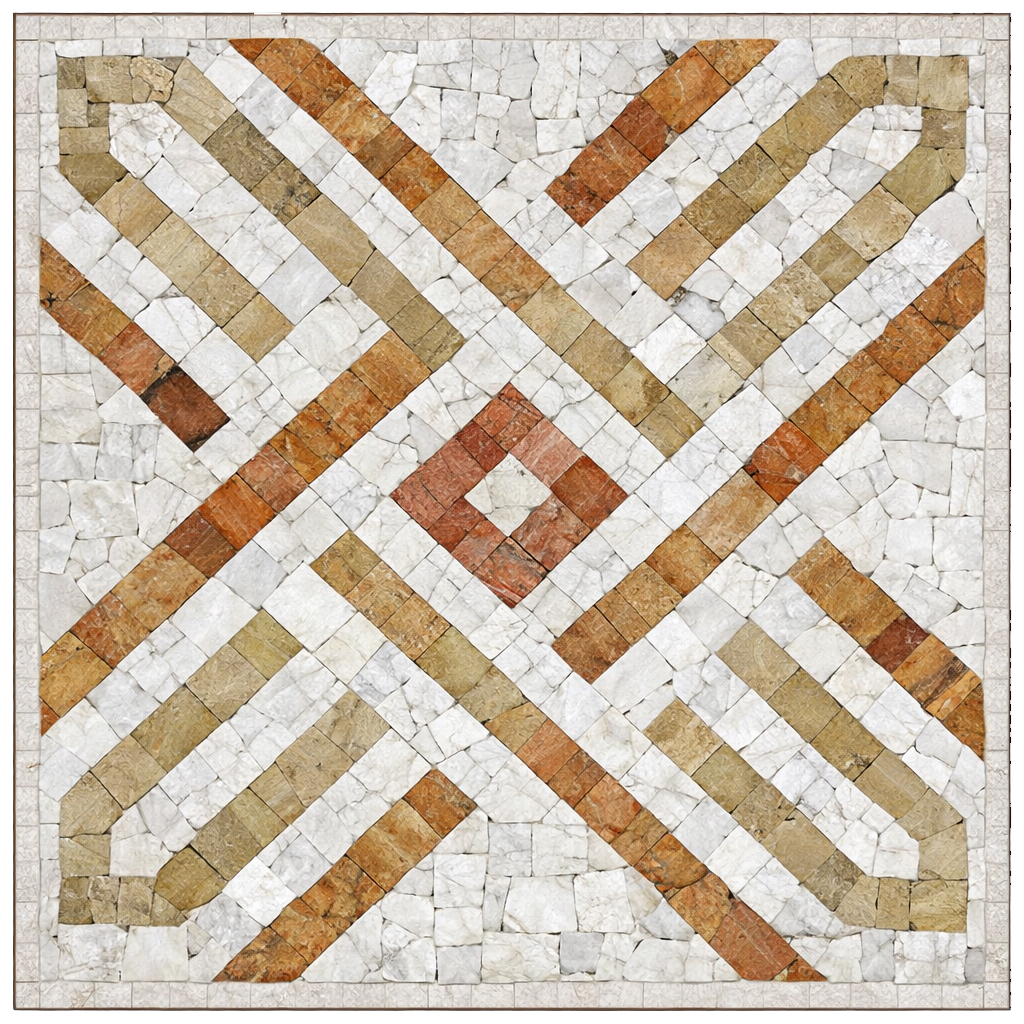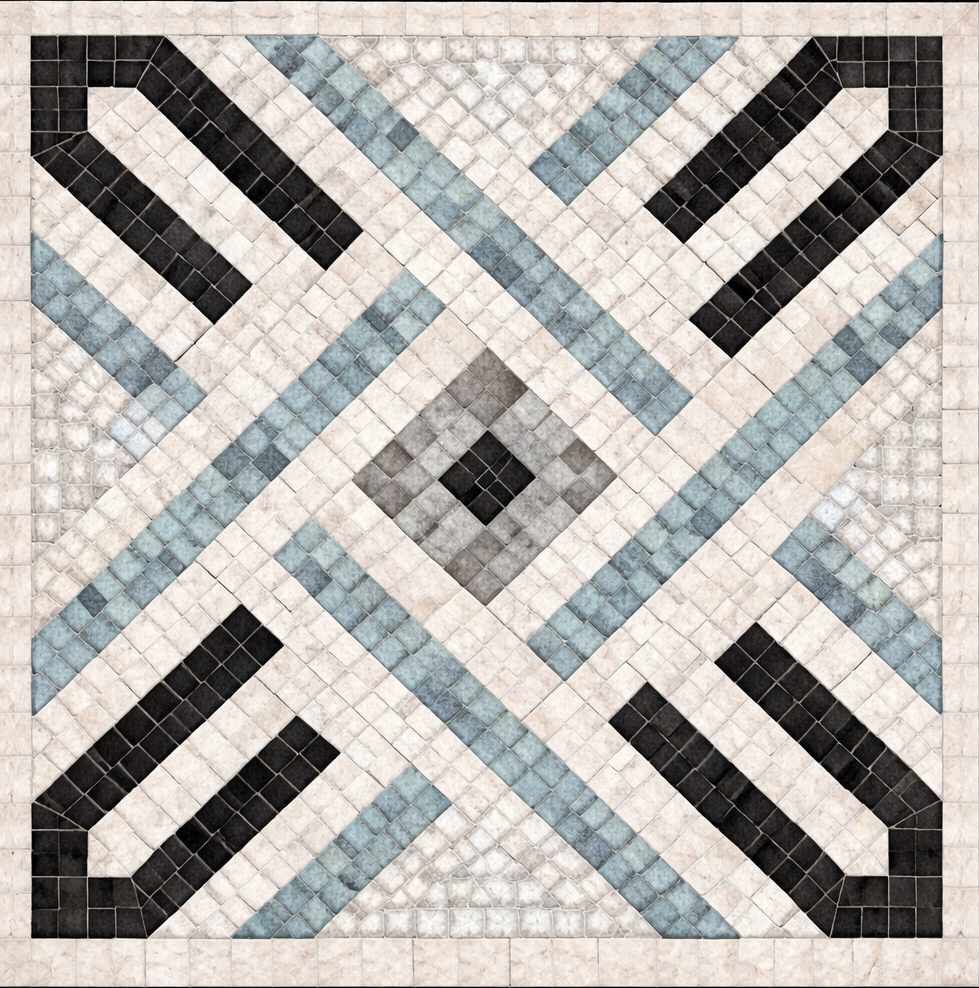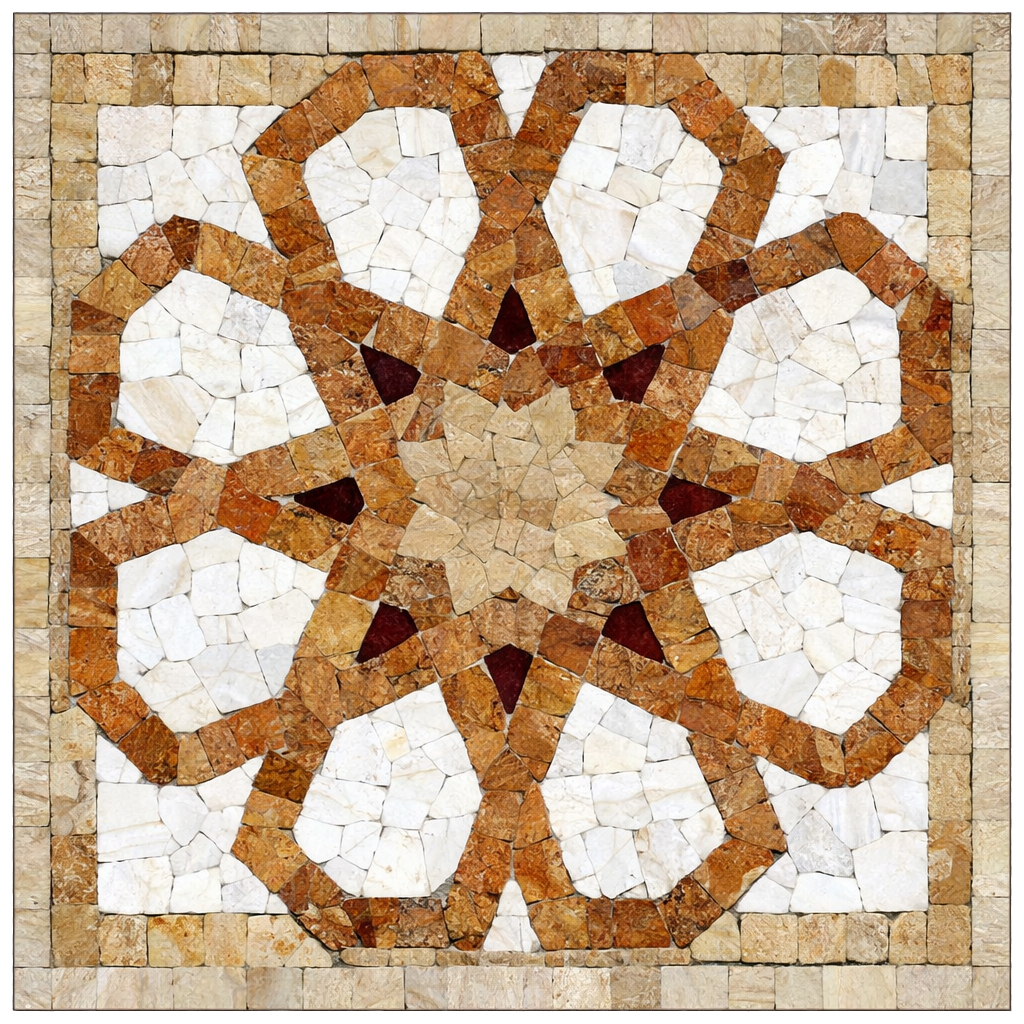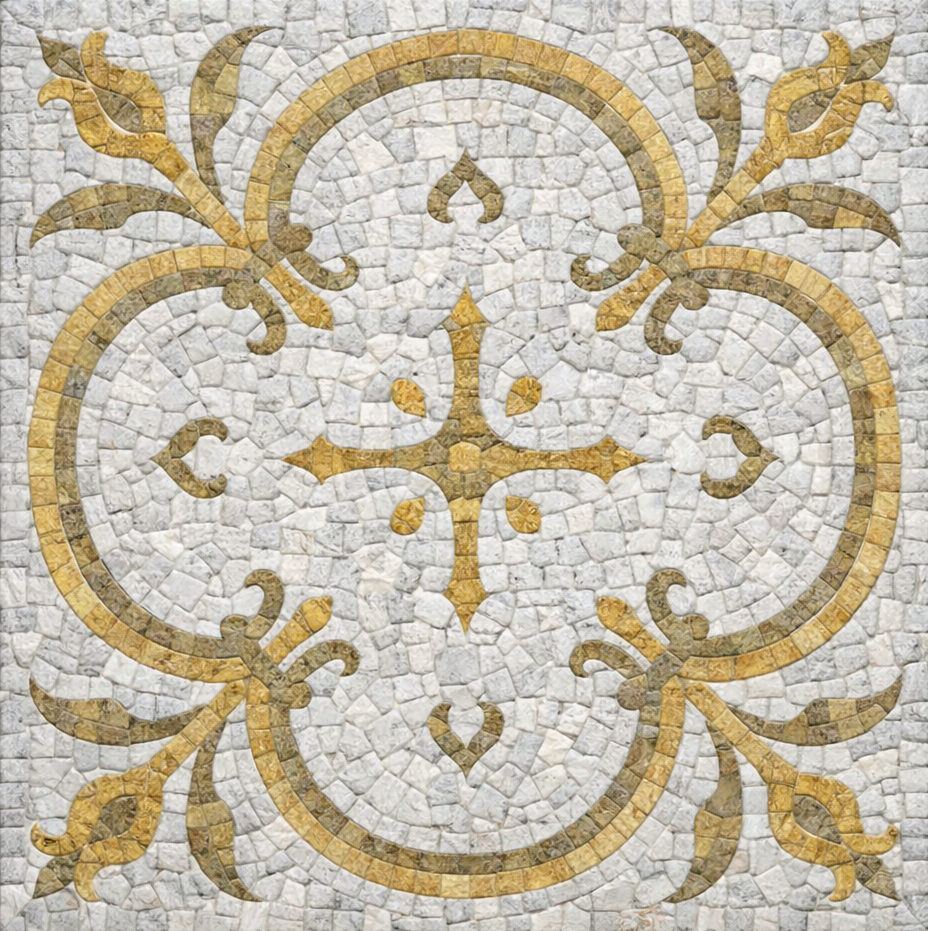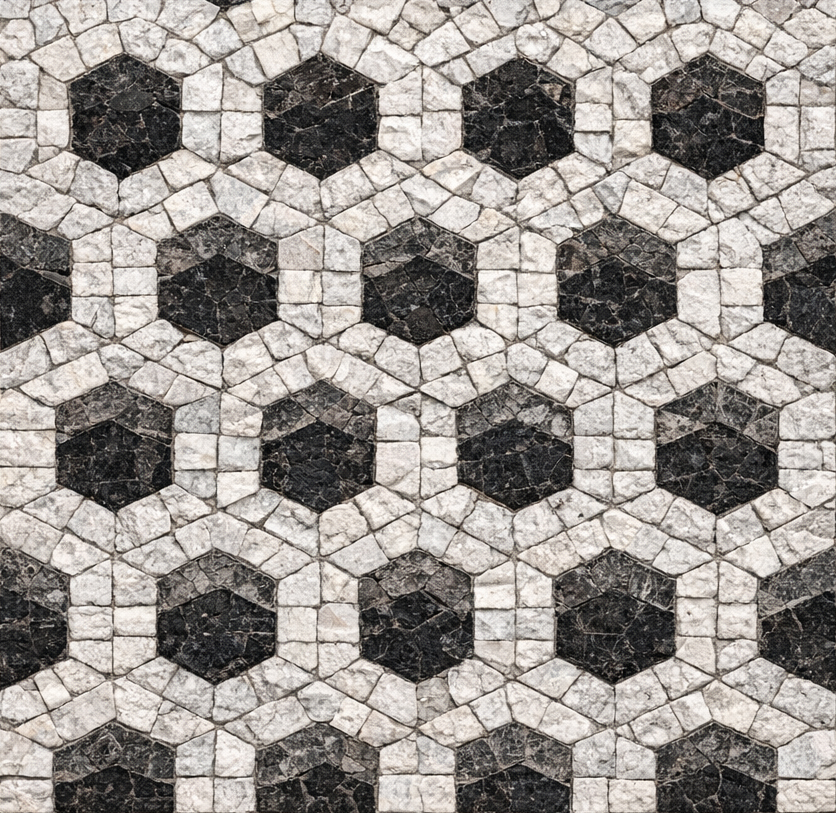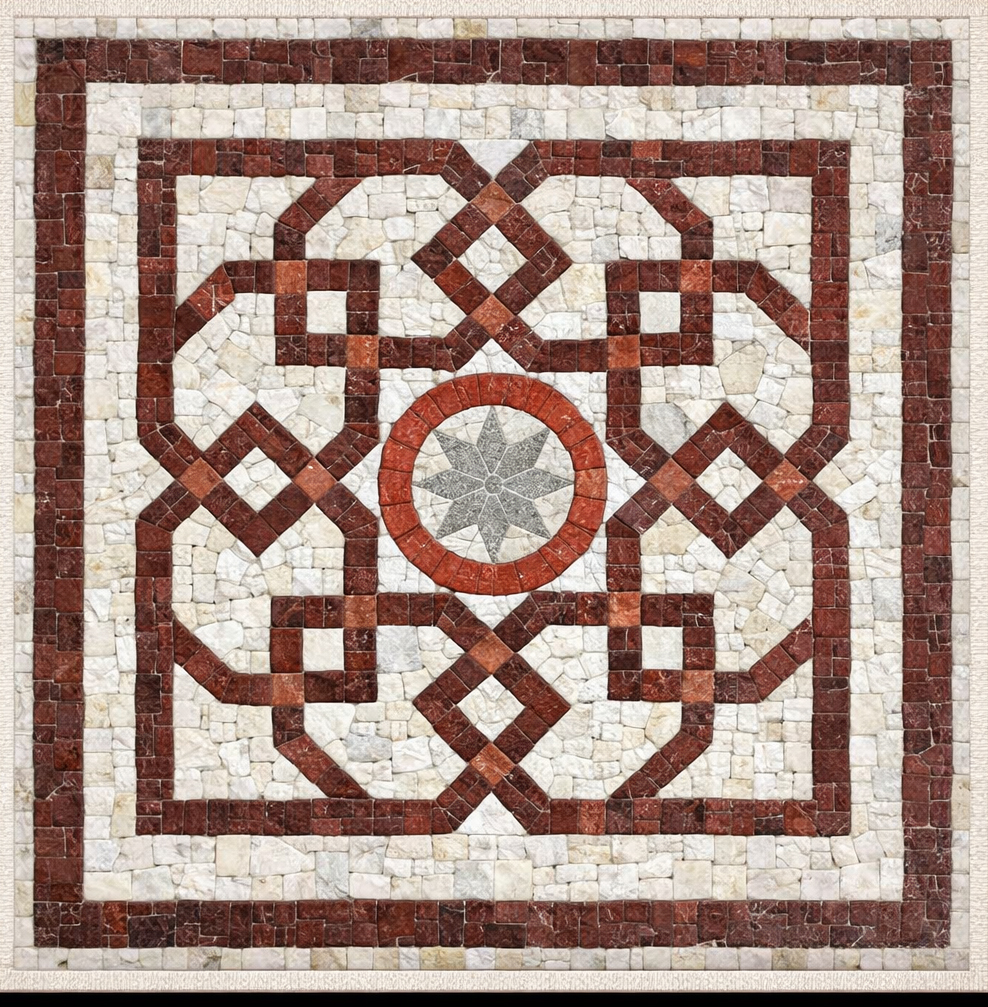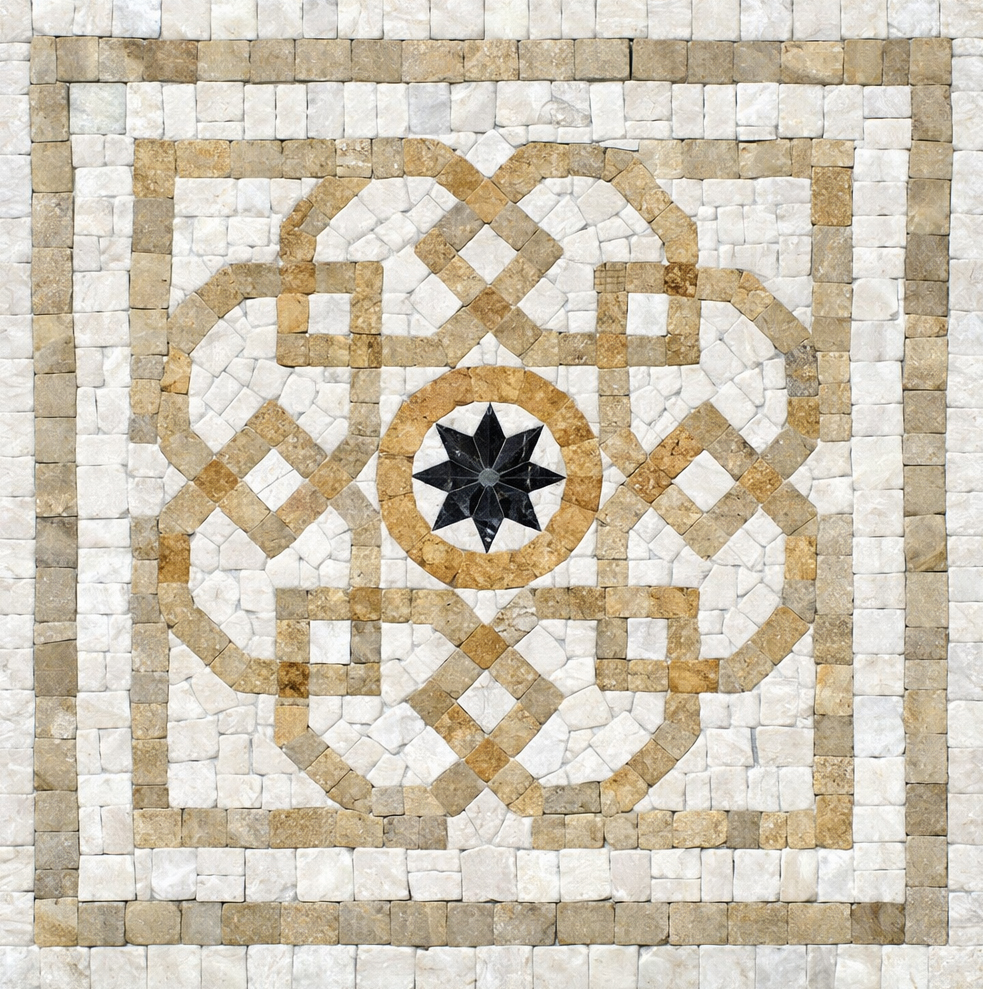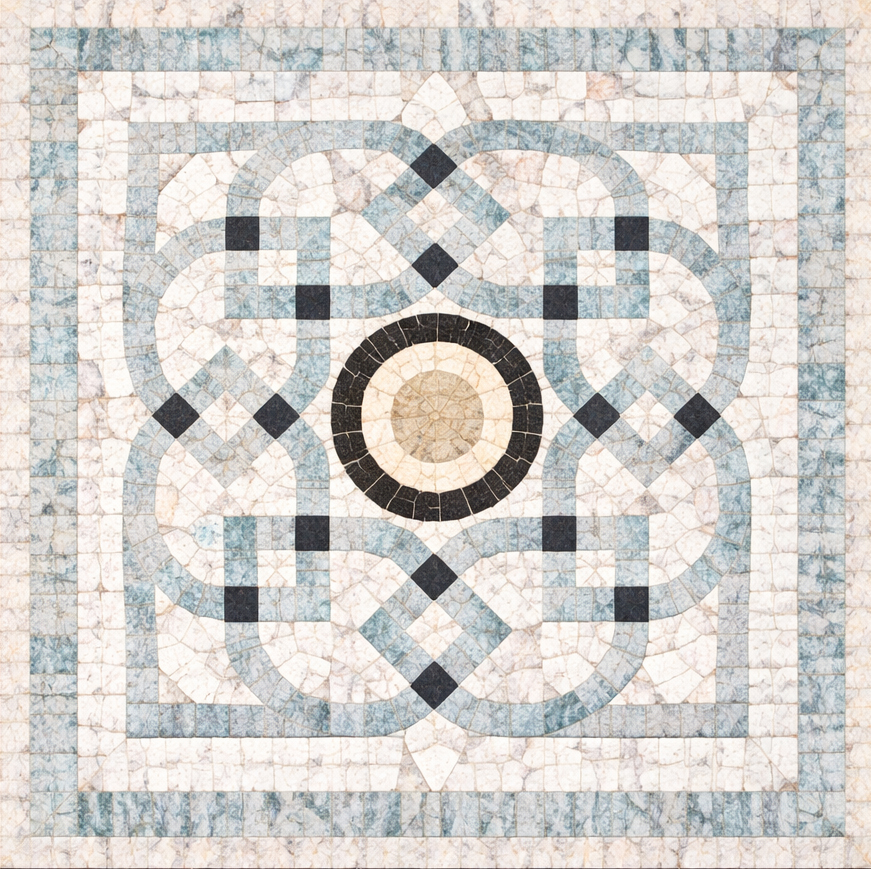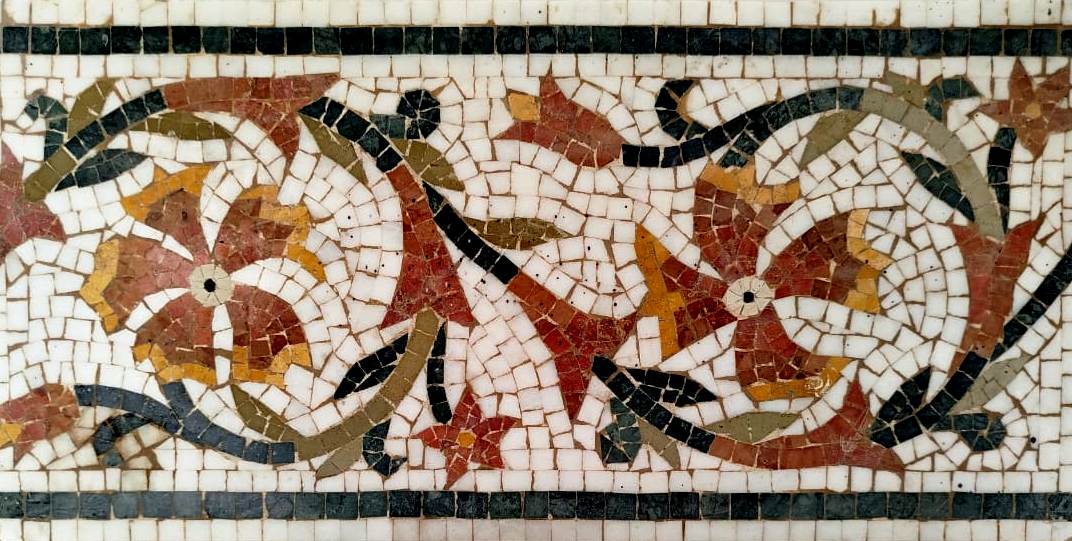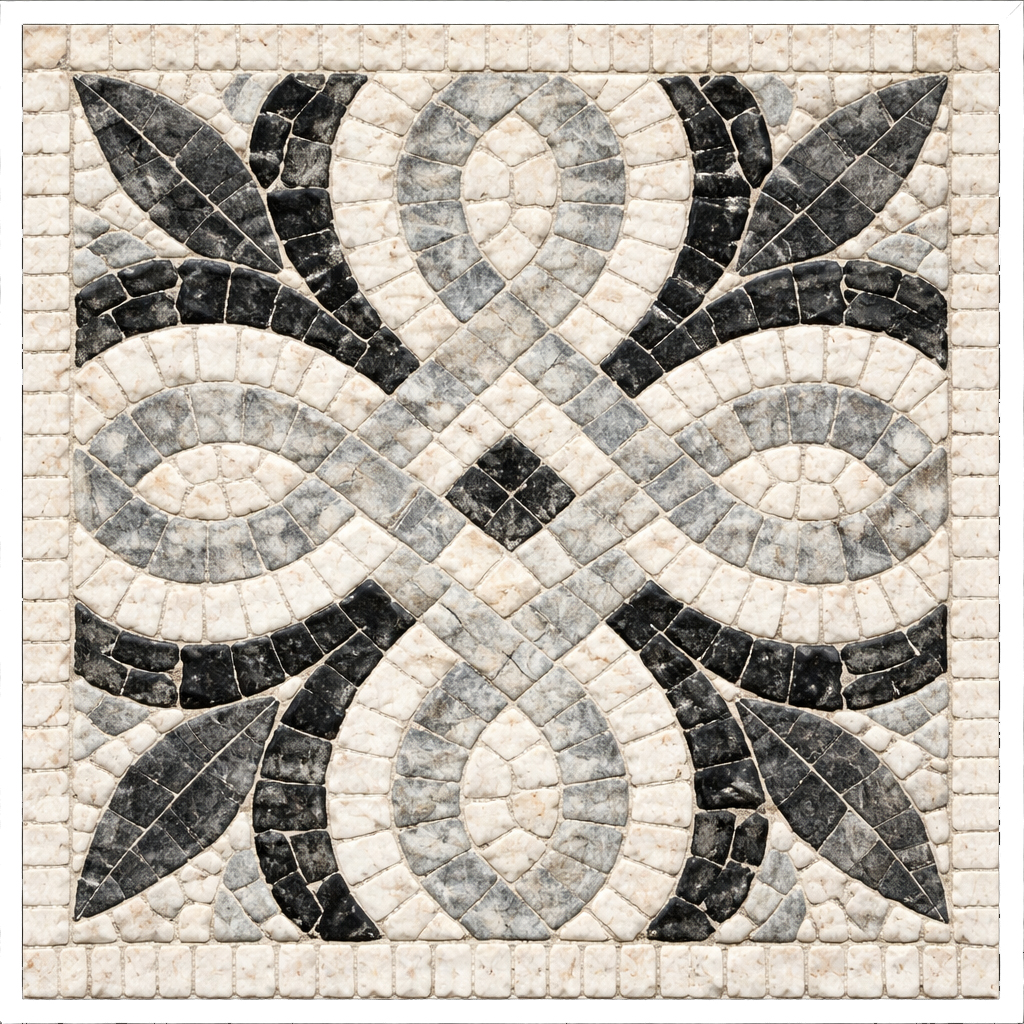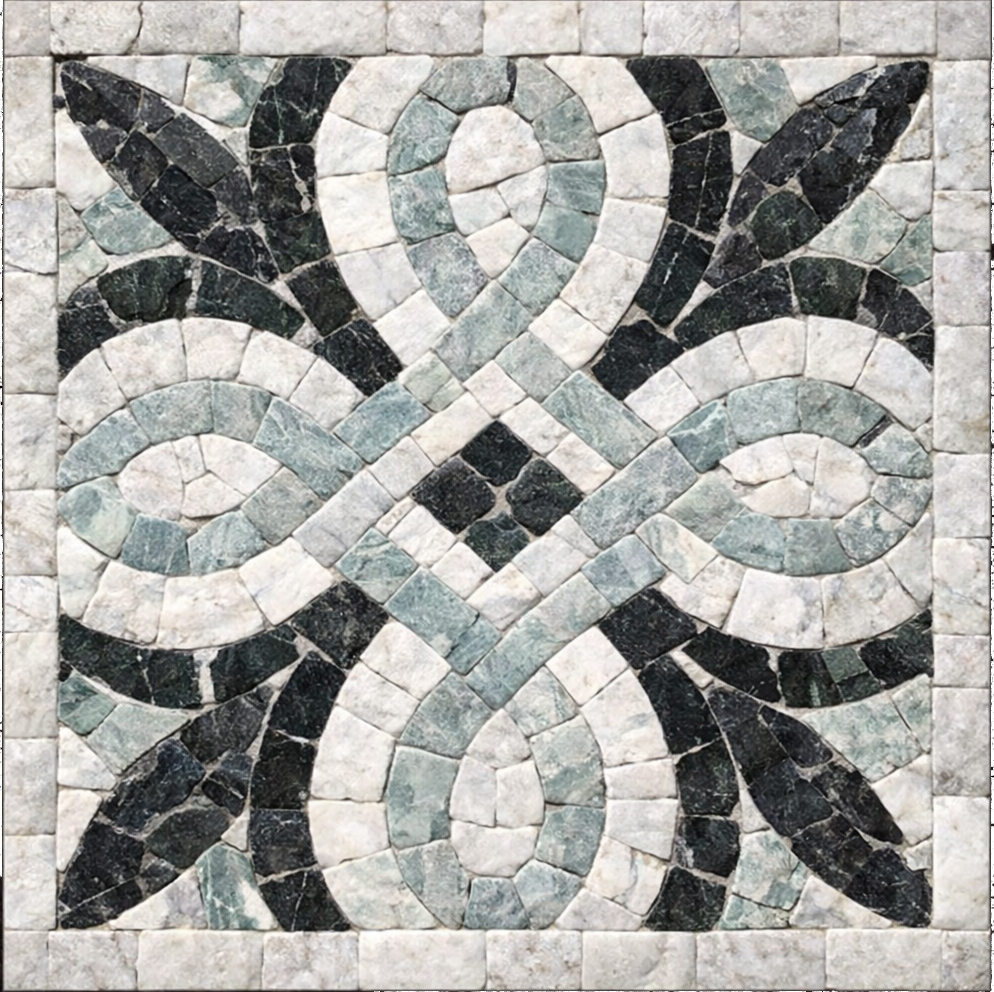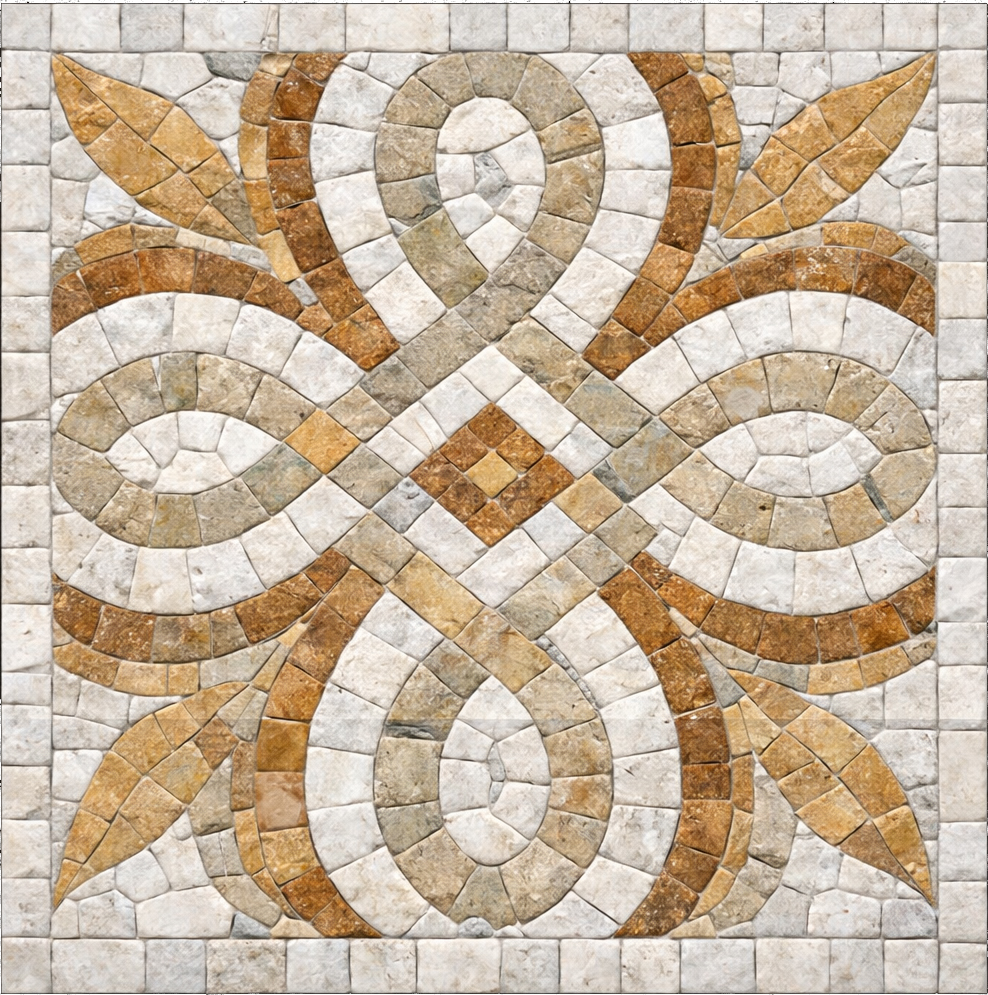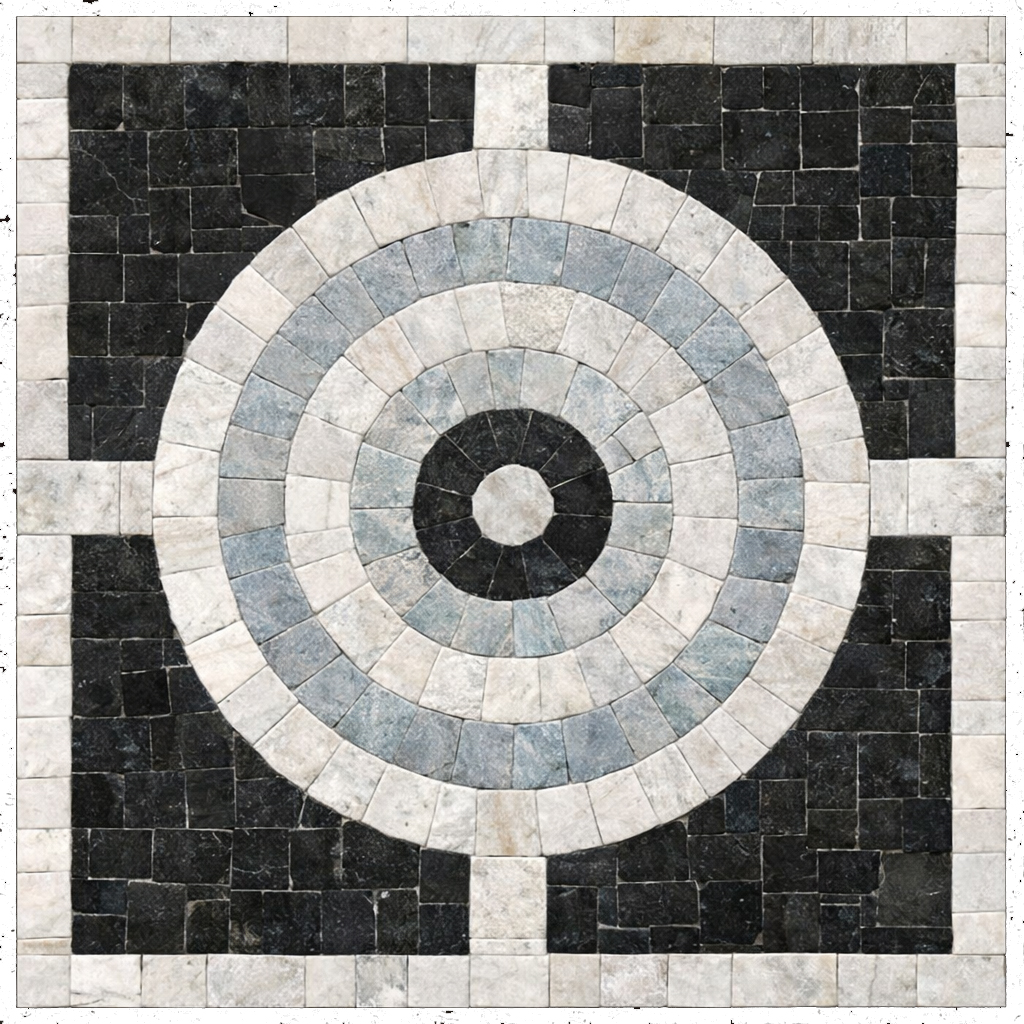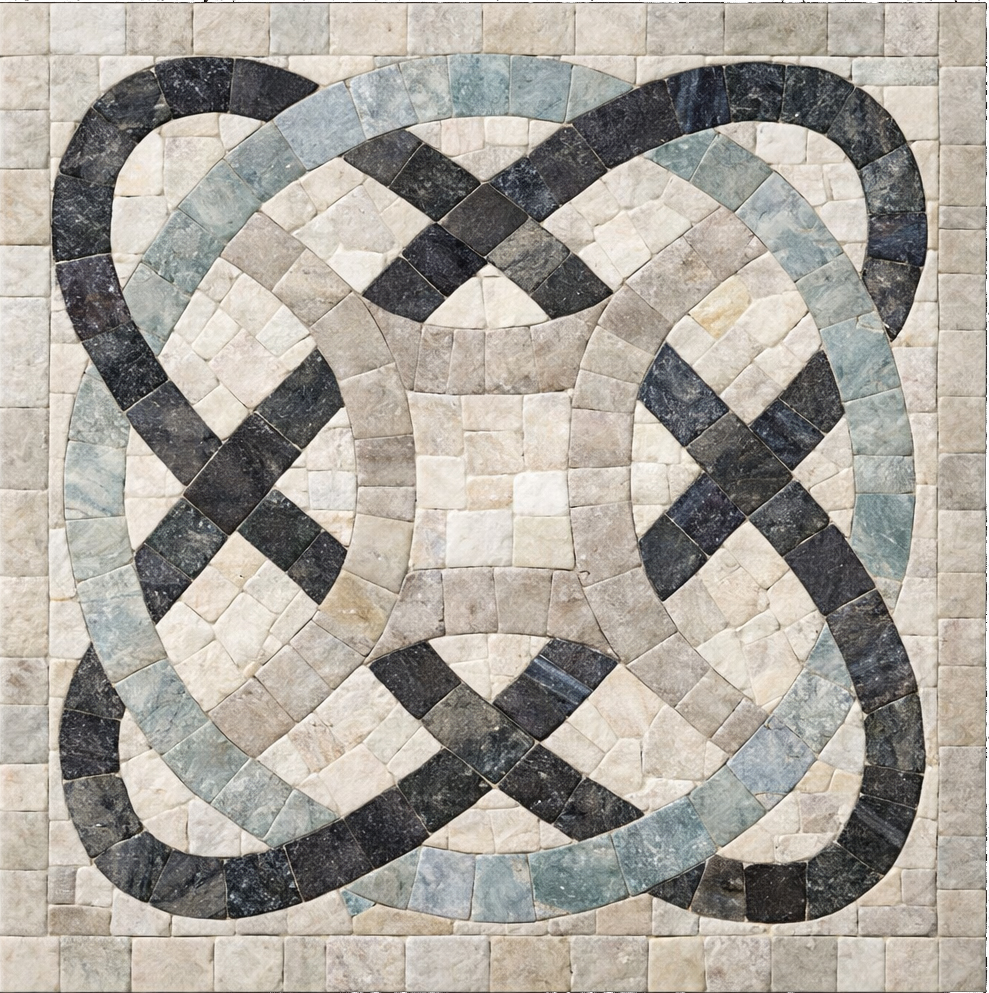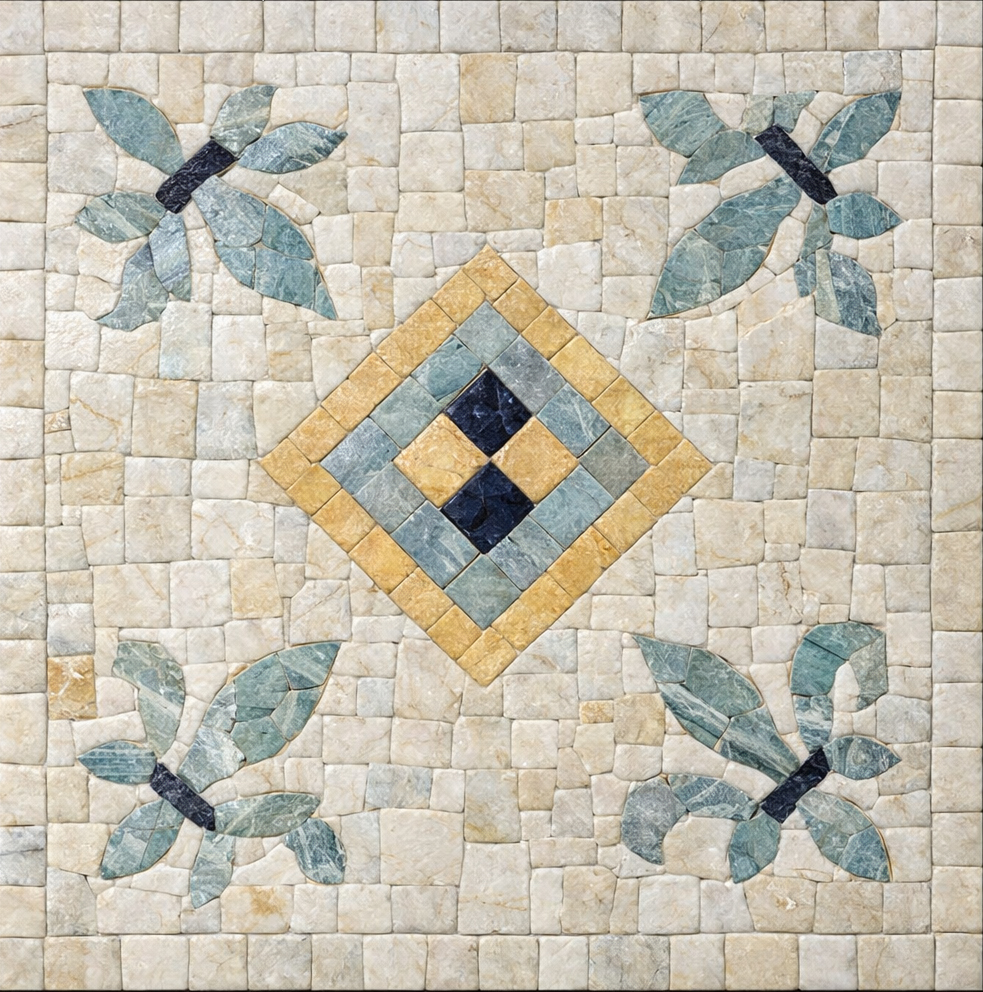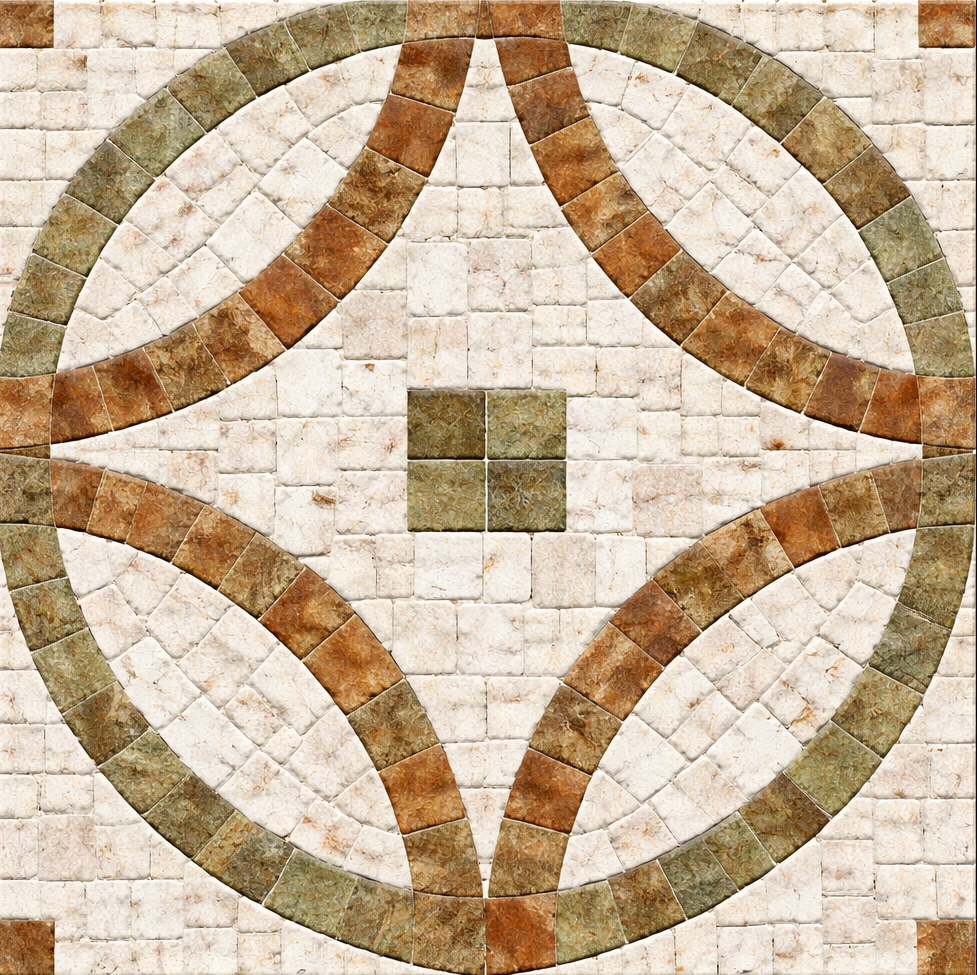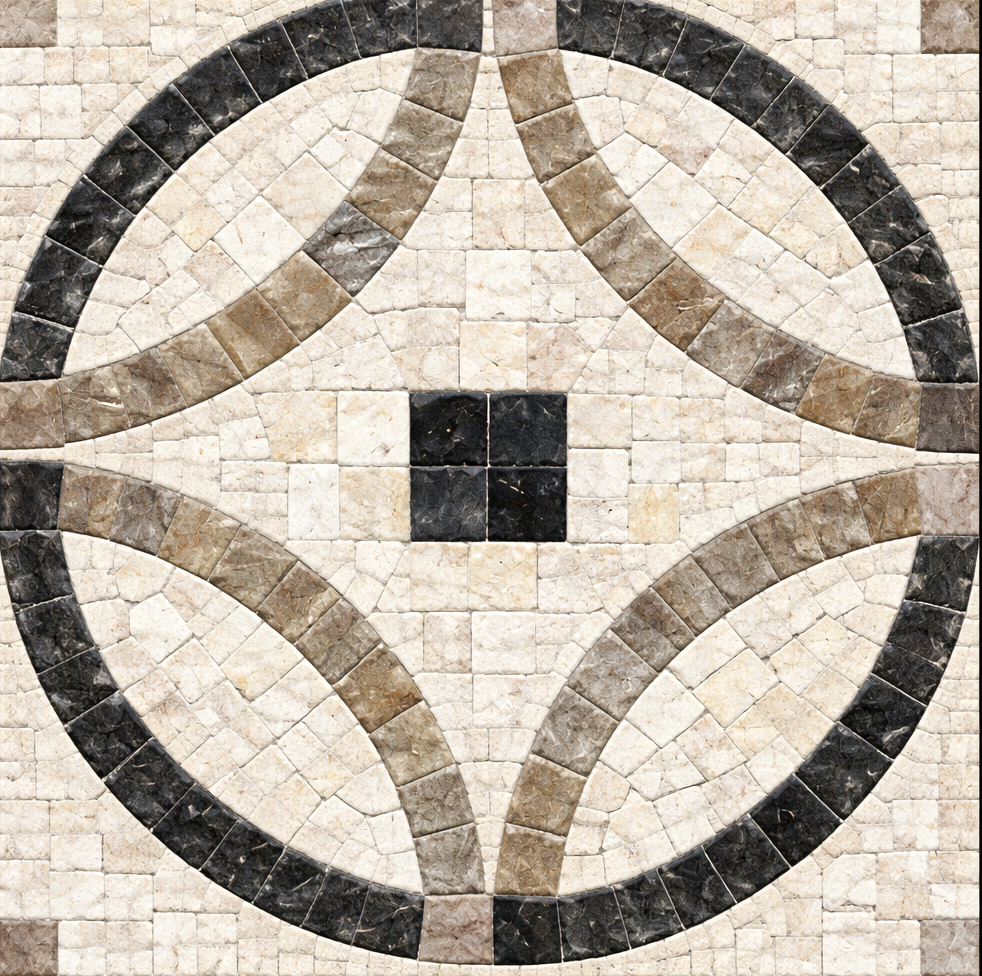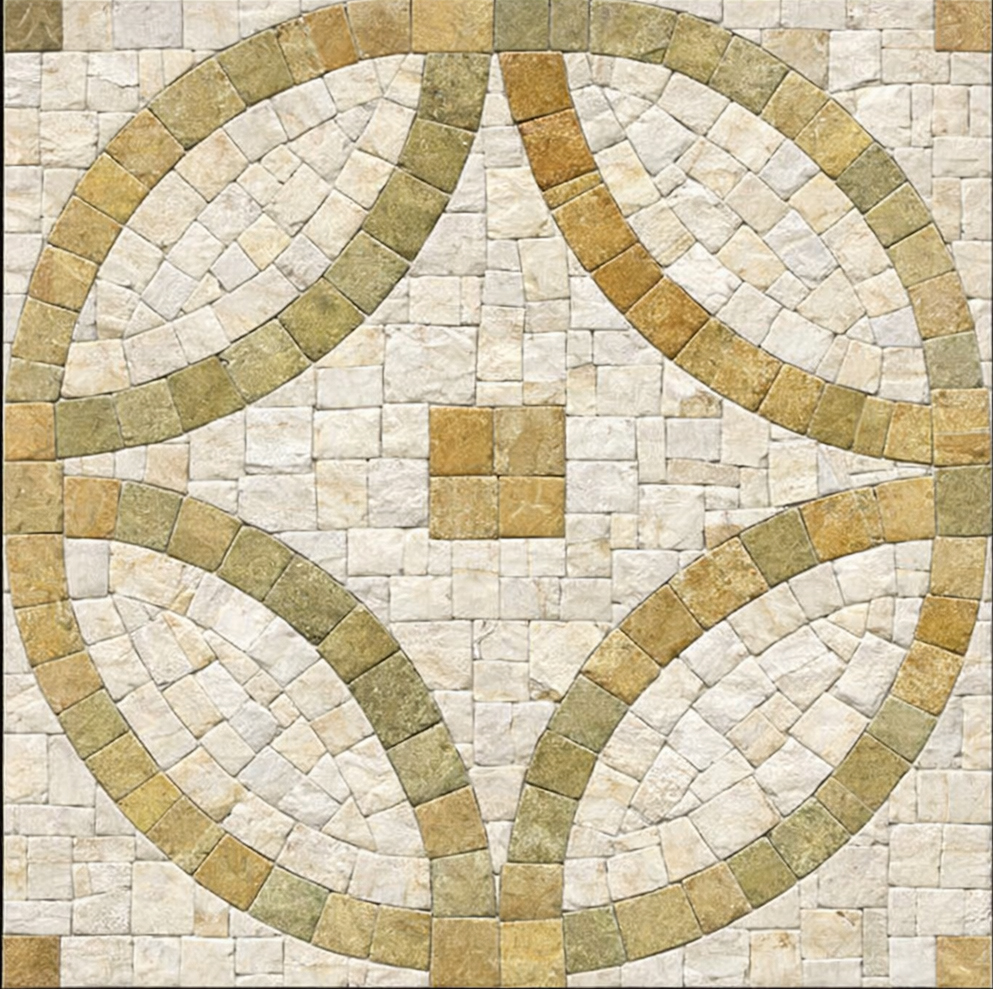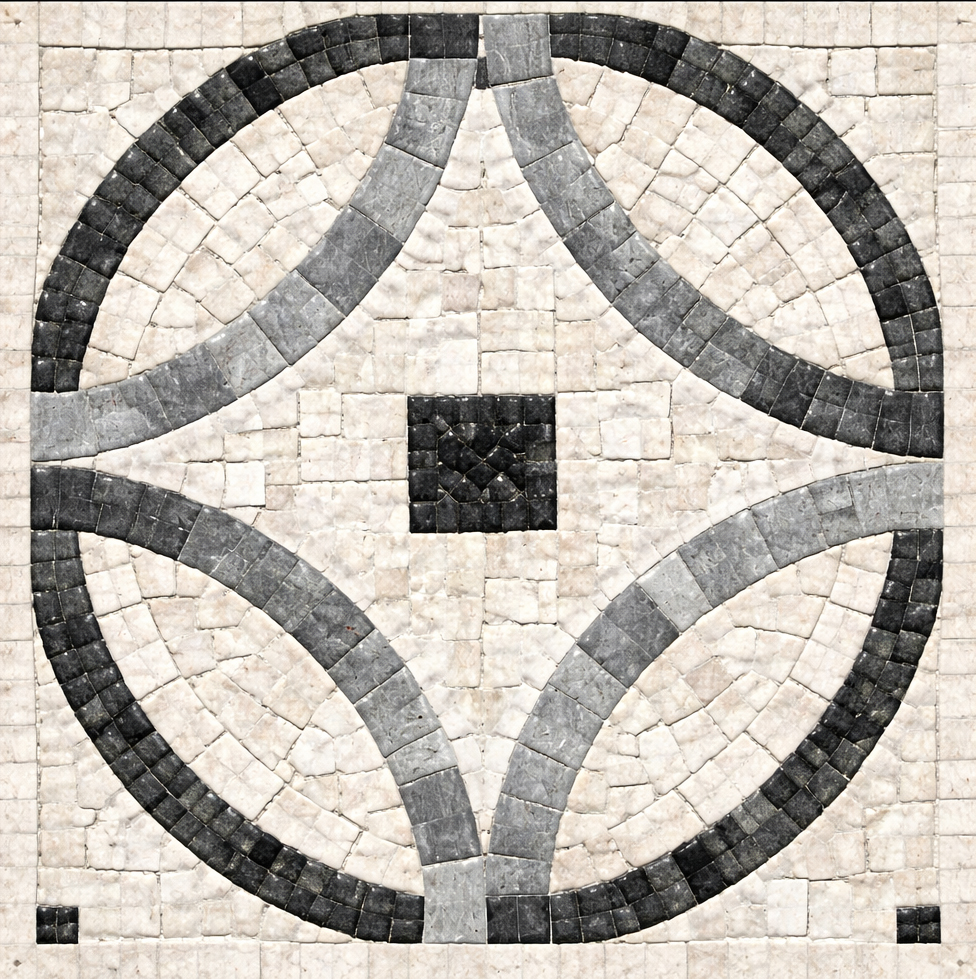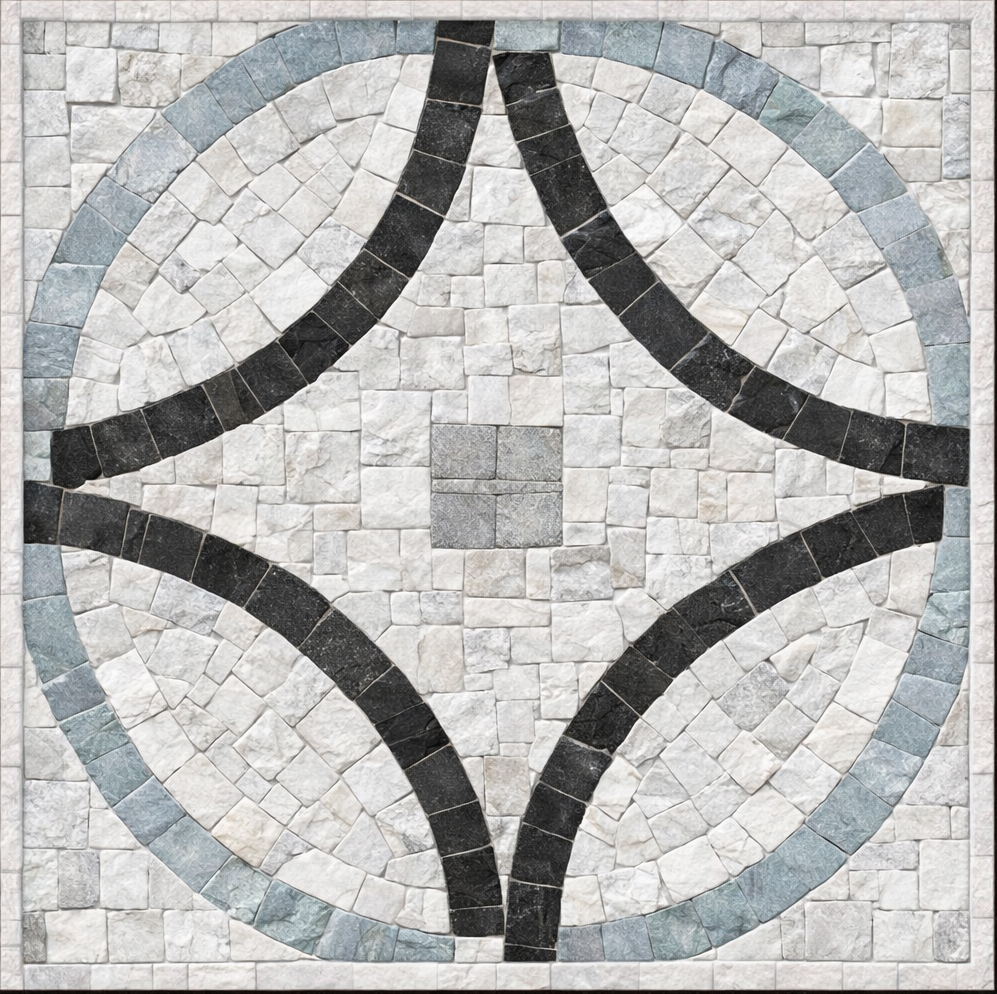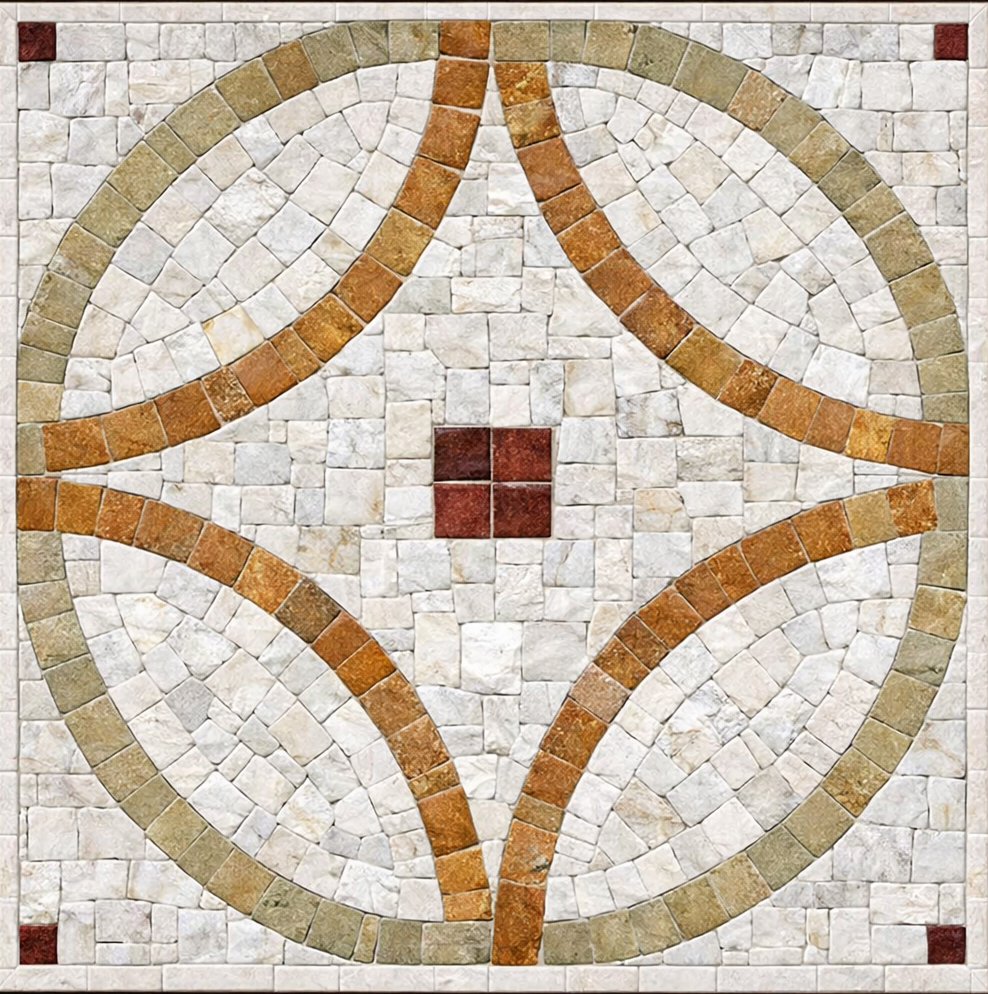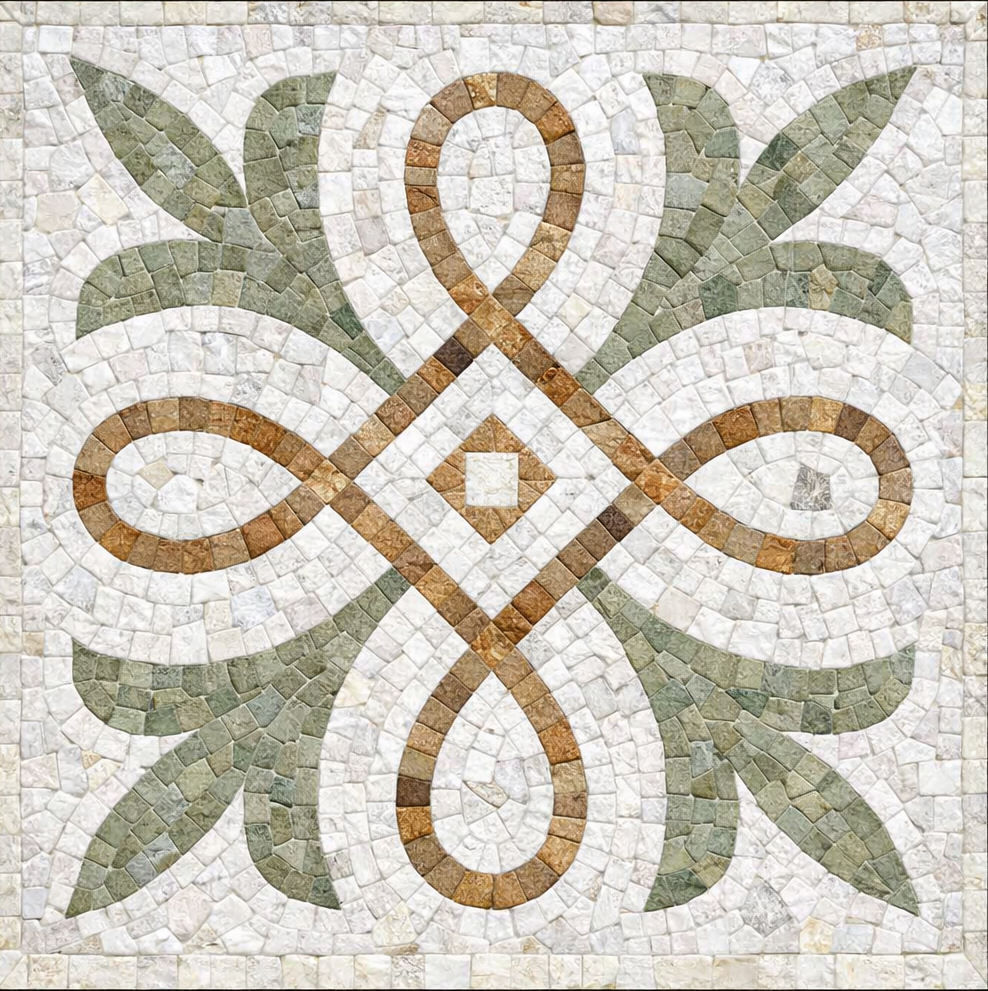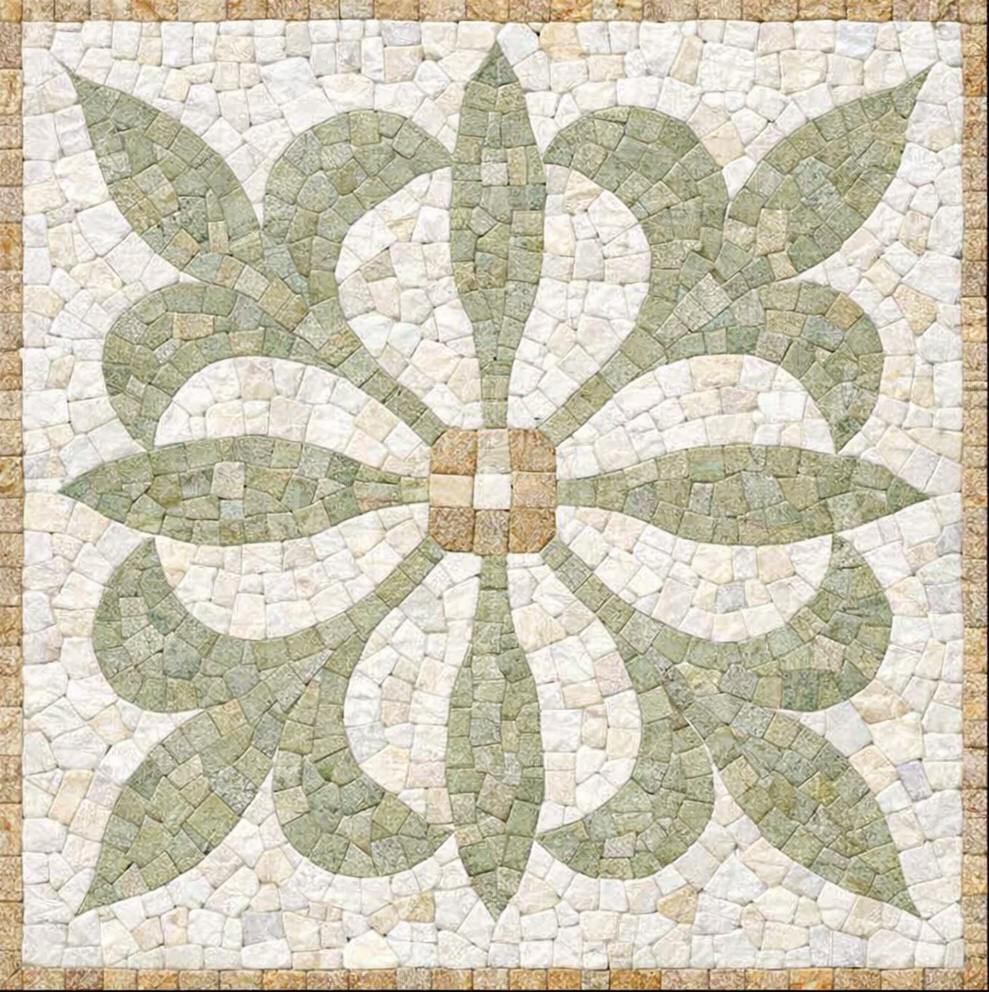
Tunisian Artistic Mosaics are uniquely characterized by “thousands of small decisions”. Master craftsmen, known as maâlems, use the direct method, cutting each tessera (tile) by hand to fit specific spots in a unique design. Artisans chip tiny cubes from natural marble, limestone, and colored glass using traditional hammers and hardies. This results in slight irregularities that create a lively, “living-breathing” surface. Tunisian mosaicists are masters of this technique and employ ancient Roman styles like Opus Tessellatum (standard rows) and Opus Vermiculatum (fine, “worm-like” work for lifelike shading and detail) into their designs. Opus Vermiculatum (“Worm-style”): Uses tiny, curved rows that follow the contours of the subject. This creates a “halo effect” that makes figures pop and adds a sense of organic movement. Opus Tessellatum: Laid in horizontal or vertical rows (similar to brickwork), it provides a stable, unobtrusive background that guides the eye toward the more detailed central features. The benefits of this technique is that one can a achieve an almost realisticpainting. By using pieces smaller than 4mm, Opus Vermiculatum allows for incredibly smooth color transitions, shading, and three-dimensional perspective that mimic fine oil paintings. It clearly defines edges and internal lines (like facial features or muscles), providing a level of crispness impossible to achieve with a standard grid. With more industrial mosaics they tend to use a strict, checkerboard-style grid, larger pieces and the main subject often feels like it is “floating” or “pasted on” the background rather than being part of the scene.